The regulations for 2026 are clear on what is needed before a high-rise maintenance job can get under way: risk control, competent staff and a rescue plan that will stand up to scrutiny. While one will find differences in the legalities from one jurisdiction to another, the PCBU has an unvarying duty to put fall risks on the table, do away with them as is reasonably practicable and manage what is left over.
This guide puts the 2026 working at heights requirements in Australia into plain English. You will find coverage of the Work Health and Safety Act 2011 and WHS Regulations, Safe Work Method Statements, rope access, scaffolding and elevated work platforms, as well as how to go about equipment inspections and make the kind of decisions that prevent workers from ending up where they should not be on the pavement. Rhys Parker has written this as a means of practical compliance, though it is not to be taken in lieu of proper engineering or legal counsel for a given site.
Rules For 2026
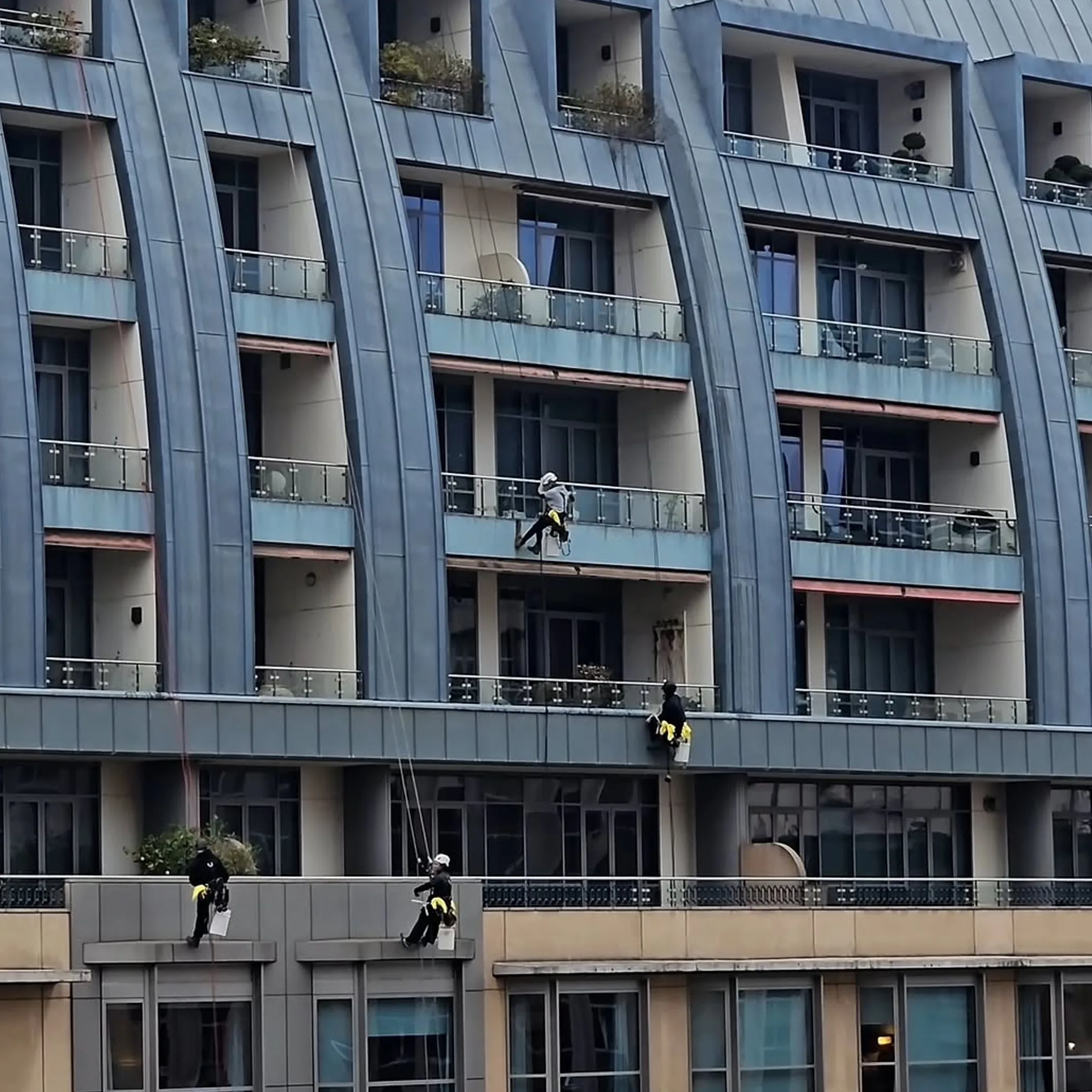
One does not have to look far to see there is no national rulebook for height-safety that is followed to the letter at every Australian site. What matters is the combination of state or territory legislation and regulator guidance, building arrangements, the manufacturer’s instructions and the Australian Standards, including tall building cleaning access options.
For the latest from a national perspective, one would do well to refer to the working-from-heights guidance put out by Safe Work Australia. They put together model guidance but leave it to the regulators in each state and territory to enforce their own laws.
Take the oft-cited 2 metre fall for instance. It is a useful marker of risk but should not be seen as carte blanche to overlook a fall from lower down. A short drop onto concrete, glass, plant or a roof edge with a sharp bite can do serious damage. The sensible thing is to judge the consequences and not just put a tape measure to it.
Where High-Rise Work Poses Risk
There is more to maintaining a high-rise than putting a cloth to the windows. Roof plant may need mending, the façade inspected, gutters and signage attended to, or lightning protection and air-conditioning serviced. There is also the matter of painting, communications gear and getting onto surfaces that are fragile or sloped.
Complexity is added when workers have to negotiate ladders, parapets, service penetrations, balconies and suspended platforms between roofs. Add in some wind, rain or glare and a breakdown in communication and a routine task can present itself as a trap.
Measure The Real Exposure
An honest risk assessment will put down the location, the condition of edges and surfaces, the route of access, any chance of dropped objects or nearby traffic and whether a worker might have to be on the move while tied in.
And owners and contractors ought to think of those in the vicinity; a delivery driver, a cleaner, a tenant or an emergency responder could all be in the line of fire. A barricade with a gap next to the loading dock is nothing more than decoration with a clipboard attached, no matter how it appears.
What the Law Says of PCBUs
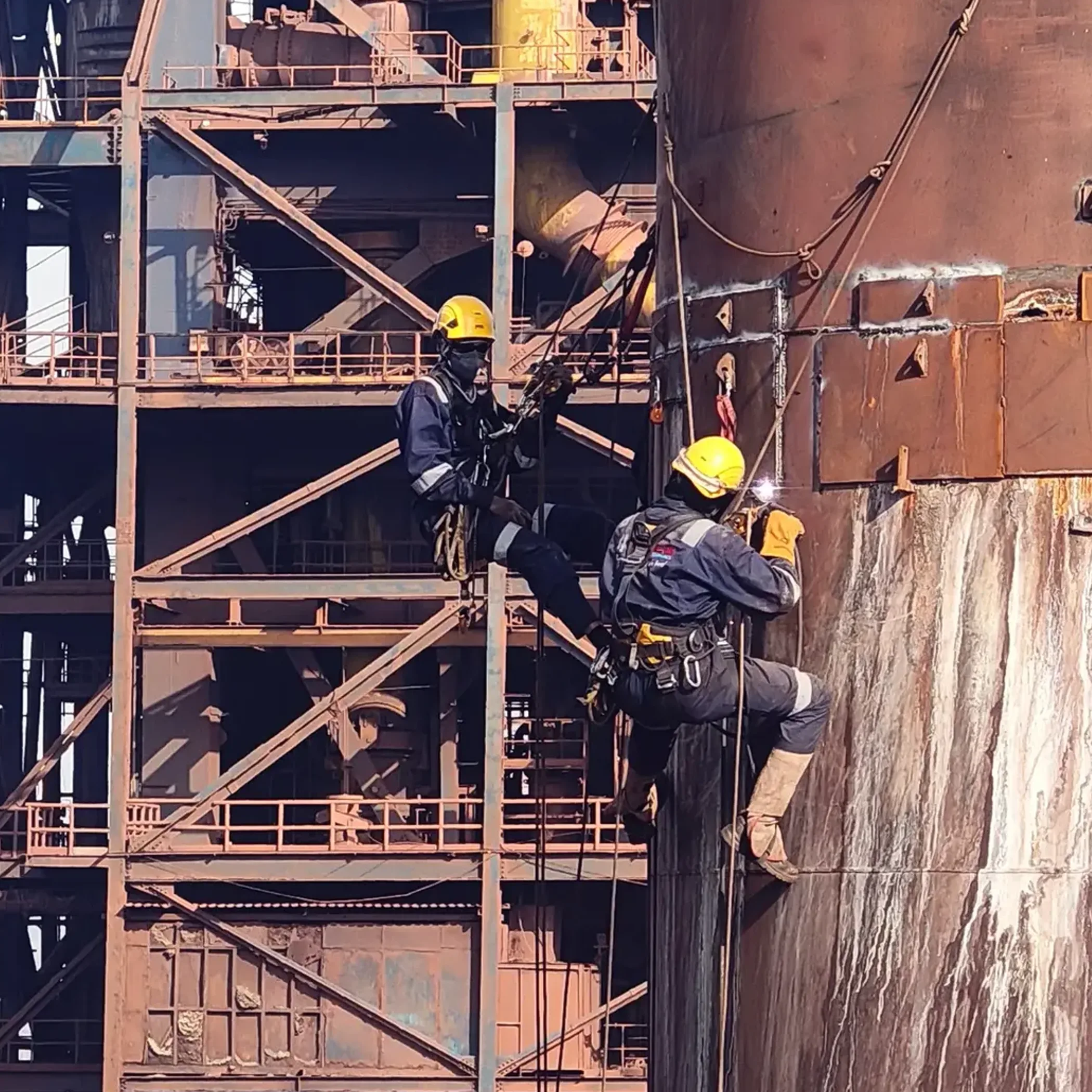
The framework of the 2011 Work Health and Safety Act places a duty of care on the PCBU to safeguard the health of all concerned, so far as is reasonable. In the case of high-rise maintenance that responsibility can be shared among the building owner, the facility manager, a specialist access firm and the principal contractor.
But sharing a duty is not the same as diluting it. All parties are expected to co-ordinate and co-operate. The building owner is not absolved of roof-access issues once the keys are in the contractor’s hand, nor can the contractor count on an anchor point being sound because it has been given a fresh coat of paint.
Information from the Owner
It falls to the building owner and his managers to supply up to date records on the roof layout, any asbestos or electrical services, isolation and emergency contacts, restricted zones and the like.
Contractors have an obligation to check these things on site. An anchor may appear fine yet its support has gone, and plans are not infallible. The person at work must have what he needs to decide if it is safe to cross the threshold.
Hierarchy Of Controls
This offers a team a preferred order of operations. See if the job can be done from the ground or some other protected area before resorting to personal protective equipment. Elimination and substitution are your best defence. Do not be caught up in the fact that fall arrest is important; it is only going to limit the outcome of a fall, not stop it happening in the first place.
| Control approach | High-rise maintenance example | Practical caution |
|---|---|---|
| Eliminate | Have the inspection done with a camera from the ground rather than put a man on an exposed edge. | It is necessary to be sure the camera will render sufficient detail for what has to be done. |
| Substitute | Put in place a protected platform for all façade work rather than make do with a ladder. | See that the platform is right for the weather, the surface and the reach required. |
| Engineering control | Put up guardrails, screens, barriers or engineered anchor points as called for. | Make certain of the structural capacity and that inspection records are in order. |
| Administrative control | Have a process in place for communication, weather checks, exclusion zones, permits and the work plan. | Physical controls cannot be made up for with paperwork. |
| Personal protective equipment | Harness, lanyard, restraint or fall arrest system should be in use. | Look over the fit and compatibility, the clearance and what rescue is on hand. |
There are two checkpoints one can put a measure on: the 2 metre fall figure much talked about in regulatory circles and the six-monthly interval the equipment maker or procedure will have you follow. But they do not obviate a site-specific assessment or pre-use check.
Plan With SWMS And Permits
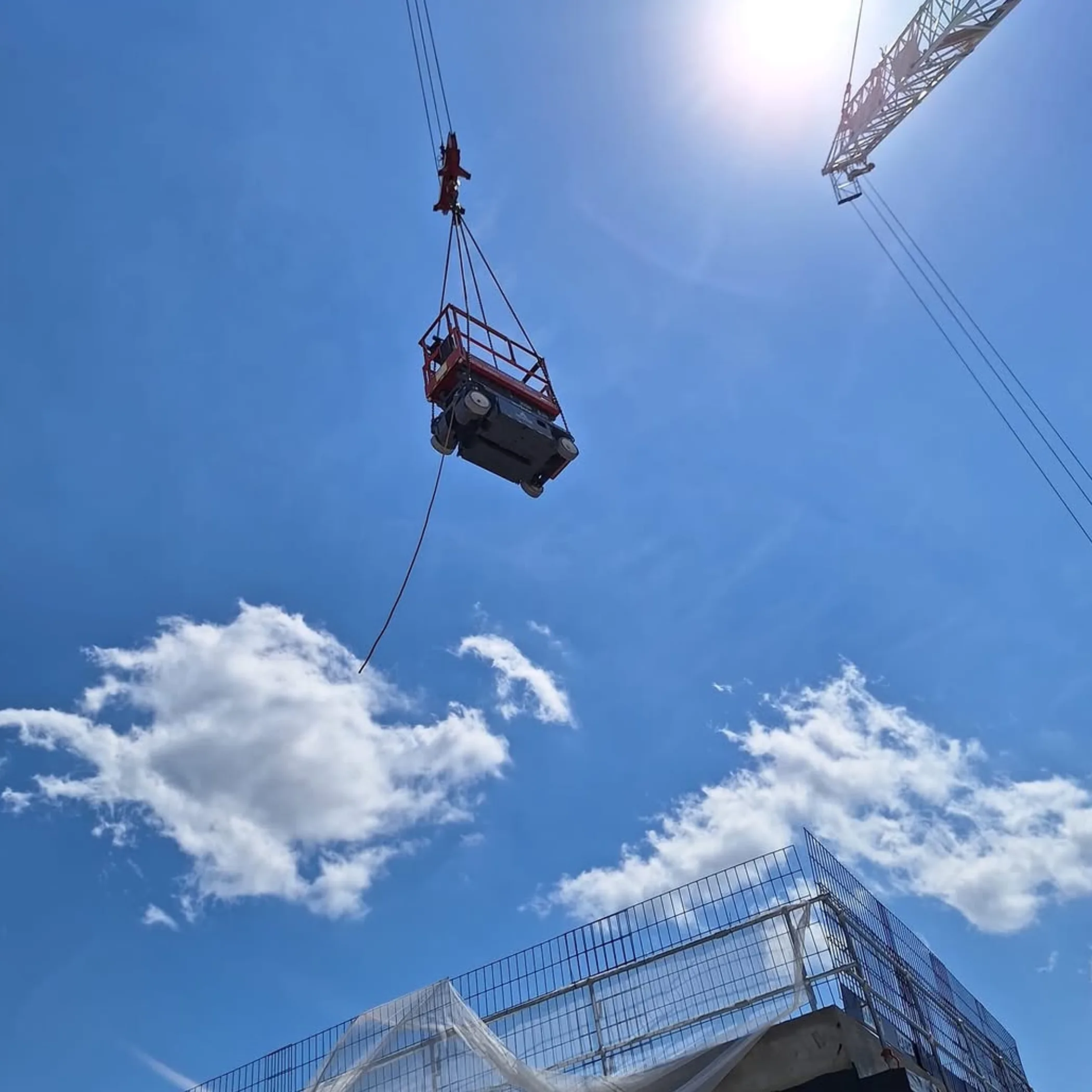
The documentation for working at heights under a SWMS needs to set out the hazards, the controls, the equipment, who is competent to do the job, how it is to be supervised and the emergency response for the task in question. Do not file a generic piece of paper from some other building where the roof, anchor system and weather were altogether different.
Where the WHS Regulations deem the construction work to be high-risk, a Safe Work Method Statement is mandatory. The PCBU and principal contractor will have to decide if the definition is met, for not all maintenance at height calls for a SWMS. Nor is it any kind of replacement for proper risk assessment, induction or supervision.
Make The Plan Usable
One would want a work plan that is practical and lays out the access to the roof or façade, the route of travel, staging for equipment, traffic and weather limits, the means of communication and the way back. On a tower this could involve an advance look at the loading dock, service lift, plant-room keys and fire-isolation before the crew gets there.
A permit for working at heights is a good way to get an approval. It should be evidence that the area is prepared, the anchors are of a suitable type, the rescue team is appraised of the task and occupants have been put in the loop.
In my time in operations I have found the minor logistics are what cause the most hold-ups. A radio that is not to be found or a lift tied up with a delivery or a locked door on the roof will prompt hasty decisions. Proper planning takes away such excuses.
Check Equipment And Anchors
What is needed by way of fall protection in Australia is a function of the environment and the system chosen. Be it a static line, rope, connector, harness or anchor point, it must be used as instructed and be fully compatible.
Standards such as AS/NZS 1891 (industrial fall-arrest), AS/NZS 1657 (fixed platforms, ladders and walkways) or AS/NZS ISO 22846 for rope access may be pertinent. A competent person and the manufacturer can put you right on the edition, application and how to go about inspection.
Inspect Before Every Shift
Pre-use is the time to look for anything amiss with the height safety equipment in Australia: cuts, abrasion, signs of chemical or heat damage, broken stitching, deformation, corrosion, illegible labels or records that are missing or past their date.
Some equipment has a formal inspection every six months as a matter of course but that does not mean it can be left to its own devices in the interim. Any item that has been through a fall or shows questionable damage is to be taken out of service for an assessment.
Do not be satisfied with a cursory look at an anchor point. You need to inspect the fasteners, the supporting structure, the load direction, the certification and the clearance; a shiny bolt is no substitute for.
Choose An Access System That Fits
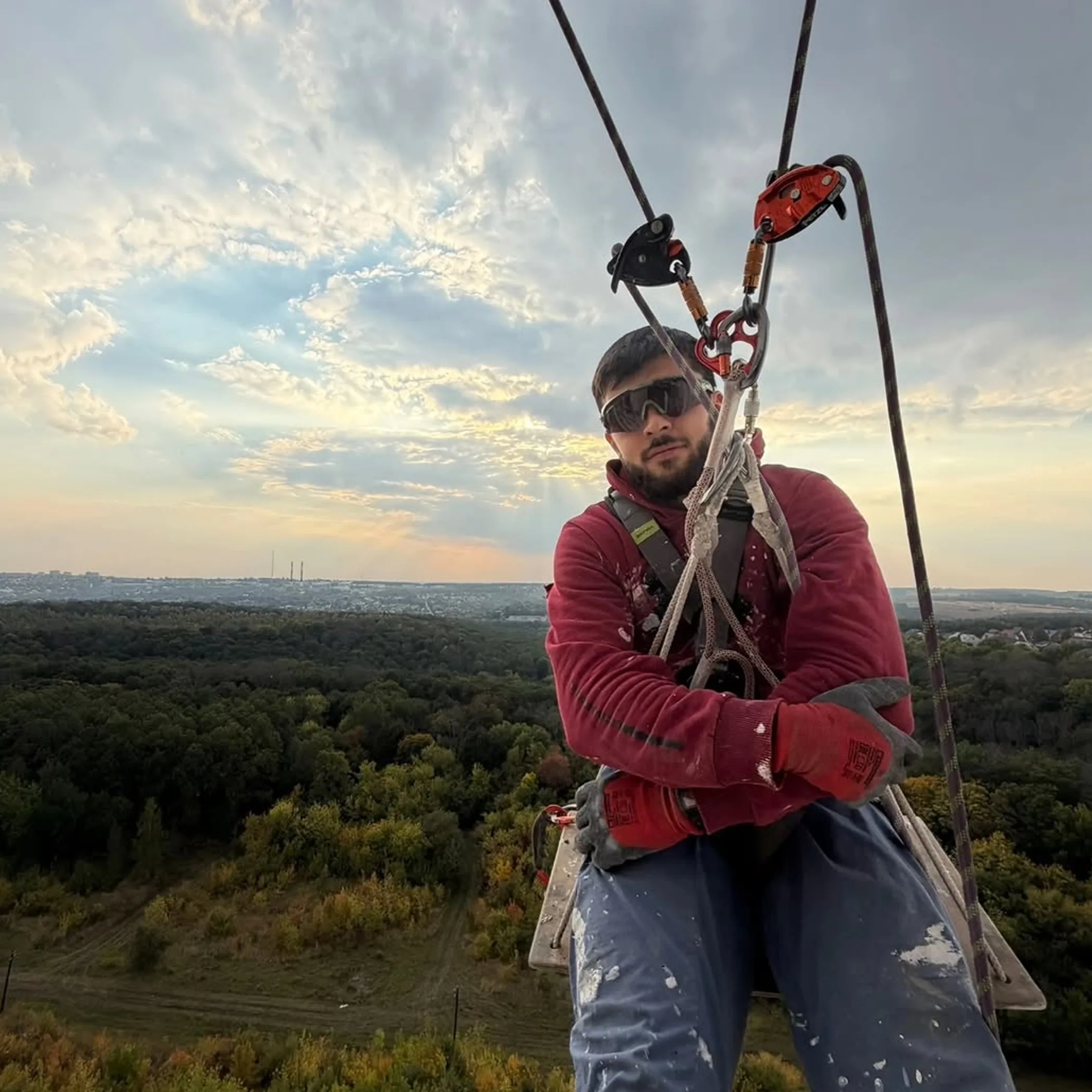
With high-rise maintenance the best way to access is the one that will control or eliminate the exposure to a fall for the task at hand. There is no one answer, be it an internal access, a building maintenance unit, an elevated work platform, scaffolding or rope access.
If one is weighing the options for cleaning a tall building then the geometry of the façade, the wind, how long the job will take, the crew’s ability, pedestrian exposure and the like come into play.
| Access method | What it is often put to | Limitations to be managed |
|---|---|---|
| Scaffolding | Where a stable platform and material access is needed for the duration of the work. | Foundations, ties, design, weather and public protection. |
| Elevated work platform | For shorter jobs on a surface the machine can be put down on. | Outriggers, ground bearing, overhead services, wind and getting to the rescue. |
| Rope access | Inspections and repairs of the façade when other systems will not do. | Competence of the worker, rope protection, integrity of the anchor and rescue. |
| Building maintenance unit | For regular access on a building with permanent systems. | Training of the operator, operational and emergency checks and the weather. |
| Methods from the ground or internal | Inspections and any cleaning or repair work that does not put one on an exposed edge. | There can be constraints as to what is visible, how far one can reach and the kind of repair undertaken. |
Rope access in Australia has its compliance standards: a system that is well run, with the right equipment and anchor points, exclusion controls and a means of rescue. The workers have to be trained and competent. One does not call it a rescue plan when a man is left hanging off a rope for another to go find a second one in the building.
Build A Rescue Plan
Any plan for work at heights has to set out in no uncertain terms the way to get to, support and recover a worker who is suspended or has been hurt. Do not make it a generic “call the emergency services” line; tailor it to the building. While you may need them, they are not always going to be there in time to avert suspension intolerance or compound an injury.
The plan must cover the equipment, the rescuers and their training, communications, isolation and first-aid, the handover process and so forth. Account for a worker who is unconscious, entangled or otherwise unable to use his own gear.
Put the plan to the test
A drill should be done under the same constraints as the building presents. See if the radio works, try the service lift and roof hatch, check the route for a stretcher to the façade and any locked doors. You will find a plan that is fine on paper is rough as guts when it cannot fit through the plant-room door.
Some systems allow for self-rescue but after a fall arrest do not count on it. The layout of the building or the state of the worker and his equipment may preclude it. A fall arrest calls for the equipment to be quarantined for inspection and for the worker to be recovered and medically assessed without delay.
Competent Training And Supervision
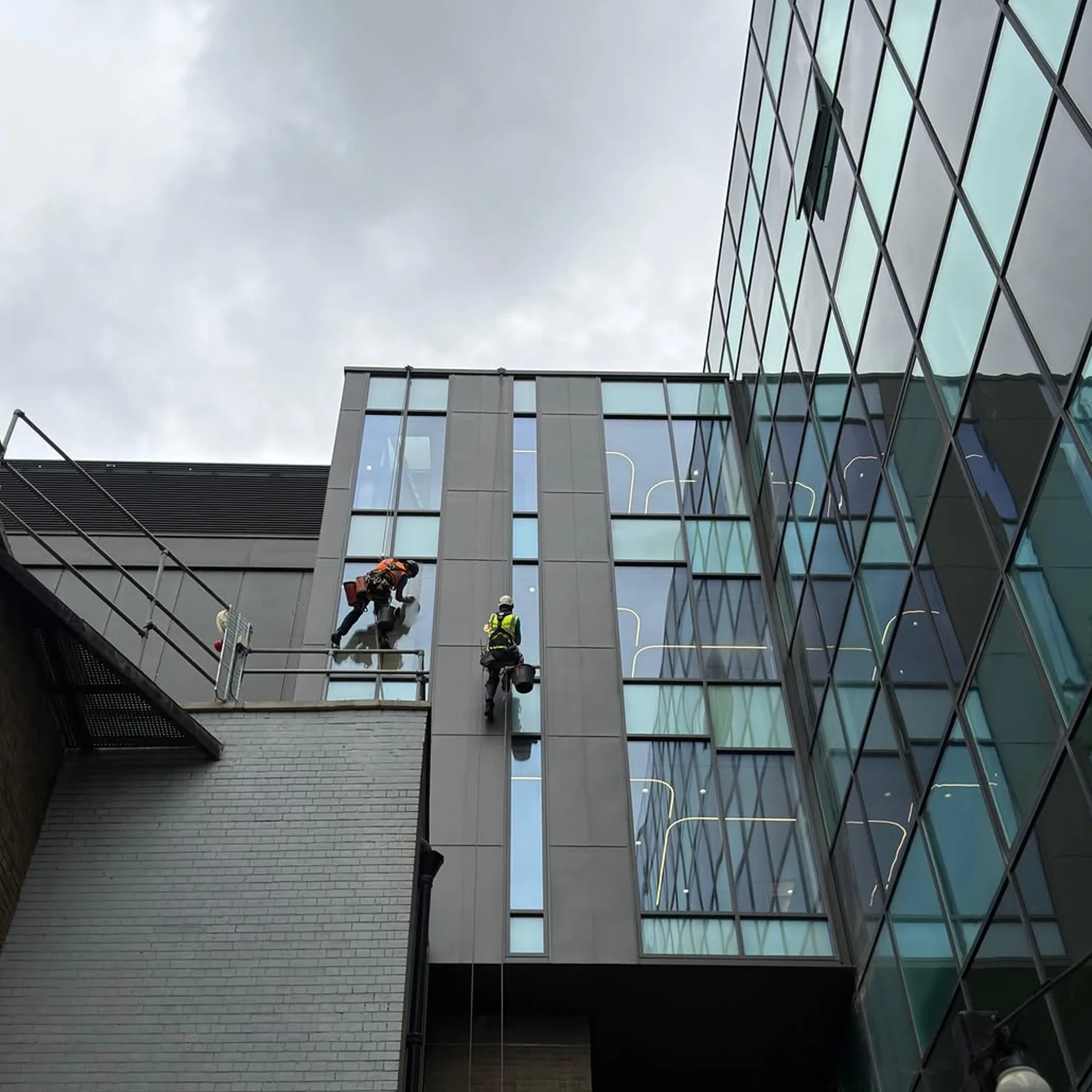
What is required by way of training is a matter of the job, the equipment and the jurisdiction. It needs to address everything from hazard identification and anchorage to the limitations of the equipment, fit, communication and rescue.
There is more to being a competent person than holding a certificate from a short course; one has to have the know-how and the practical sense to put the hazards of a task under control, be it on a roof or an elevated platform.
Supervision is dictated by the risk and the experience of the worker. New hands require more of an eye on them, particularly in switching between restraint and fall arrest. Workers ought to be in a position to halt work if the conditions warrant it; a failed comms system or high winds, lightning, smoke or heat are all good reasons to put off the job.
Abide by State and Territory regulations
Regulators in each state and territory have their own way of enforcing their codes and legislation. The model WHS framework is only part of it; local rules for the crew and the building must be observed. That could mean SafeWork NSW, WorkSafe Victoria or Queensland and the like.
Get clear on the rules for licensing, notifications, traffic management, cranes, scaffolding, asbestos, documentation and the rest. A contractor operating in several states would do well to have a register of the pertinent regulator, permits, training and contacts. It is a simple thing to have, and it stops a Melbourne procedure being put in place unaltered on a site in Queensland where the administration and conditions are different.
Site Checklist
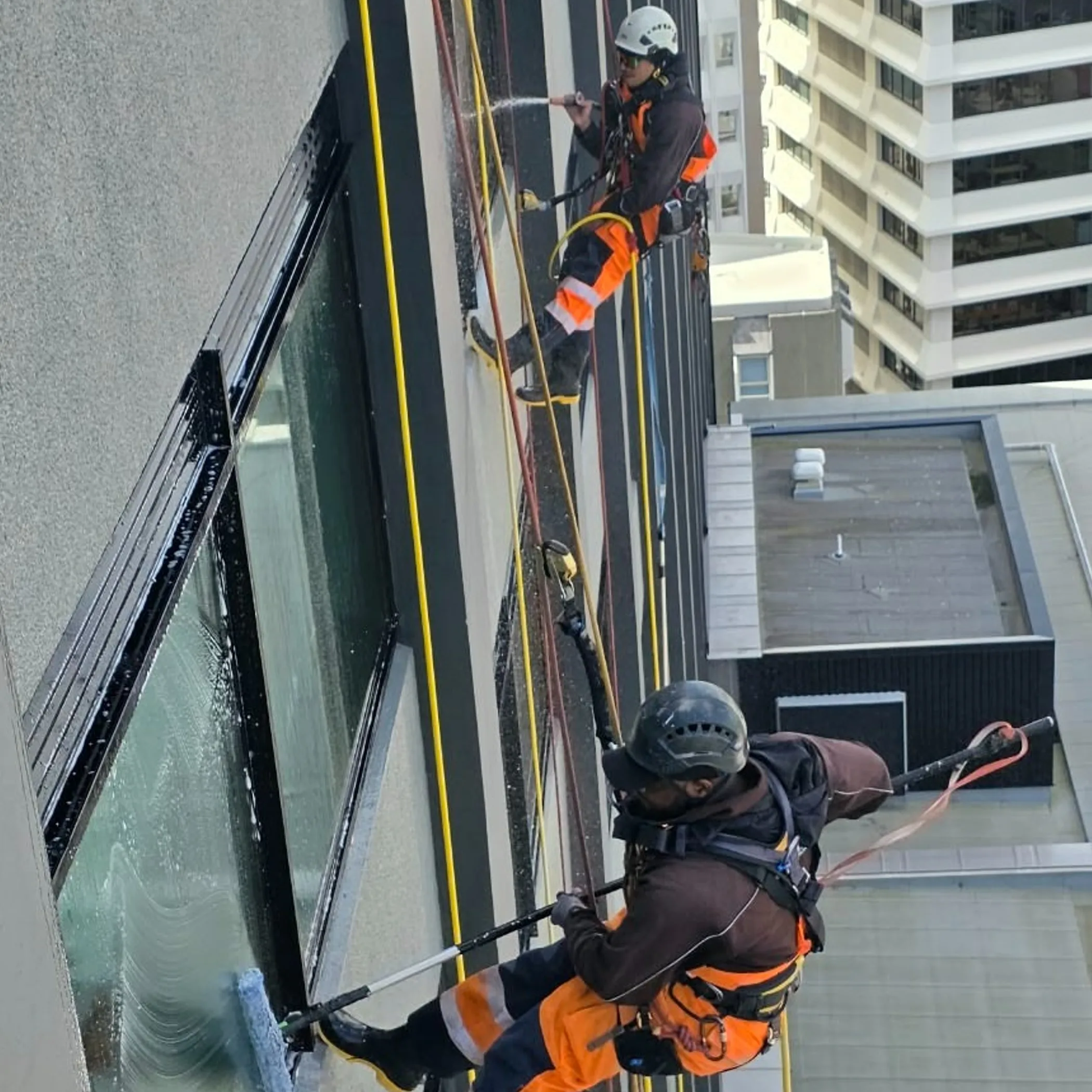
Before commencing work, make use of this checklist. Adapt it as the task and building demand; it is a prompt for practical purposes, not a legal one.
- Make sure you have the building requirements and the guidance of the regulator and the relevant WHS legislation for the state or territory.
- Take note of all openings, penetrations, skylights, transitions and any fragile surface or exposed edge.
- Use the hierarchy of controls and put on record the rationale for the access method you have chosen.
- Make sure worker competency is in order, as are the arrangements for supervision, communication and equipment compatibility.
- Do a thorough inspection of the access equipment, including anchor points, static lines, connectors, ropes, lanyards and harnesses.
- Where called for, have the working at heights permit, exclusion zone, risk assessment and SWMS to hand.
- Take stock of building operations and public movement, not to mention wind, heat, lightning, smoke and other weather factors.
- Put the emergency rescue plan to the test: the standby person, the route of access, contacts and any rescue gear.
Frequently Asked Questions
In high-rise maintenance planning one comes across certain misunderstandings with some regularity; the following are intended to clear them up. The answers are meant to be practical yet the controlling requirement will always be the site assessment, standard, regulator guidance or the law.
Working At Heights: What Height?
There is no single height in Australia that makes every task one of working at heights. While 2 metres is an important reference for regulators, a fall from less than that can present a serious risk. One should judge the likely injury, the edge, surface and equipment involved in the task instead of fixating on a figure.
What are the legal duties?
For PCBUs it is reasonably practicable to manage risks to workers and others. These are obligations that may be divided among specialist and principal contractors, facility managers and building owners. They must co-operate and consult, provide information and training and exercise due supervision and risk control.
Is a SWMS de rigueur?
Not in all cases. The WHS Regulations call for a SWMS with high-risk construction work, and some maintenance at height qualifies as such. But even if the law does not demand it, a safe work plan and a risk assessment in writing might be needed.
How frequently to inspect equipment?
Before use, at the manufacturer’s or system owner’s interval and in the wake of anything that could have done damage. Some equipment has a six-monthly benchmark but do not let that stand in for pre-use checks or a proper engineering inspection of your anchors.
Can a worker self-rescue after a fall?
With the right system perhaps, but do not make that your only assumption. Your plan must have a way of dealing with an injured or entangled worker who cannot climb, and a trained standby person. Once a fall arrest has occurred the equipment is to be isolated and medical attention arranged.
Applicable standards
AS/NZS 1891, AS/NZS ISO 22846 and AS/NZS 1657 are but a few. It is a matter of the work method and equipment. A competent person or safety professional will be able to confirm the current edition and its application.
The safest way to gain access?
Whatever best removes or puts a lid on the exposure for the building and the job in question. For some a protected internal route or ground-based work is the answer, for others a rope access with a real rescue system, an elevated work platform, scaffolding or a building maintenance unit.
Compliance made practical
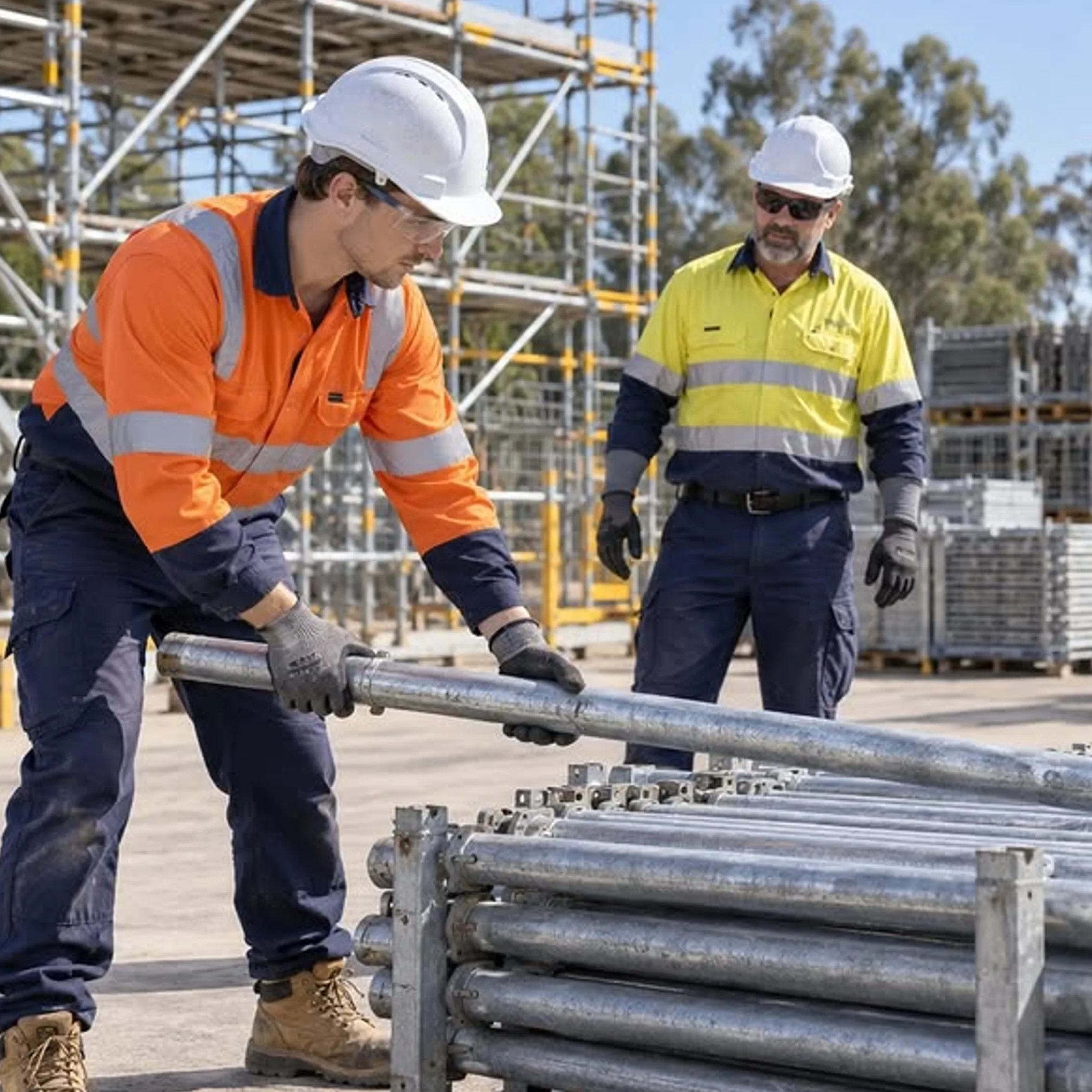
You will not be in compliance with high-rise maintenance by way of a file full of certificates and a SWMS off the shelf. It is a question of the actual work of the day and having the right people, equipment, building conditions and rescue plan to match.
My advice is to plan before you climb, stop if conditions alter and never have more faith in a harness, roof hatch or anchor point than the evidence warrants. Inspect first and you will find it the most sensible approach to the regulations in Australia in 2026 and beyond.