The 2026 figures for Australia coastal flooding and erosion are put in perspective by where you find rising seas and storm surge in concert with heavy rain and an open shoreline. This also highlights rising seas and reef systems. One should not think that a beachside suburb is going to be wiped out overnight; the real issue is the toll on local economies, utilities, roads and homes from shoreline encroachment and flooding that happens again and again.
I have set out this guide in plain English to cover the risk outlook for Australia, the climate forces at work in coastal inundation and what it means for your home or community infrastructure. I am Rhys Parker of Williamstown, Melbourne. A weekend walk along the foreshore is something I make time for, but it serves as a reminder that there is more to living by the coast than having a good bakery on hand.
Australia’s 2026 Coastal Outlook
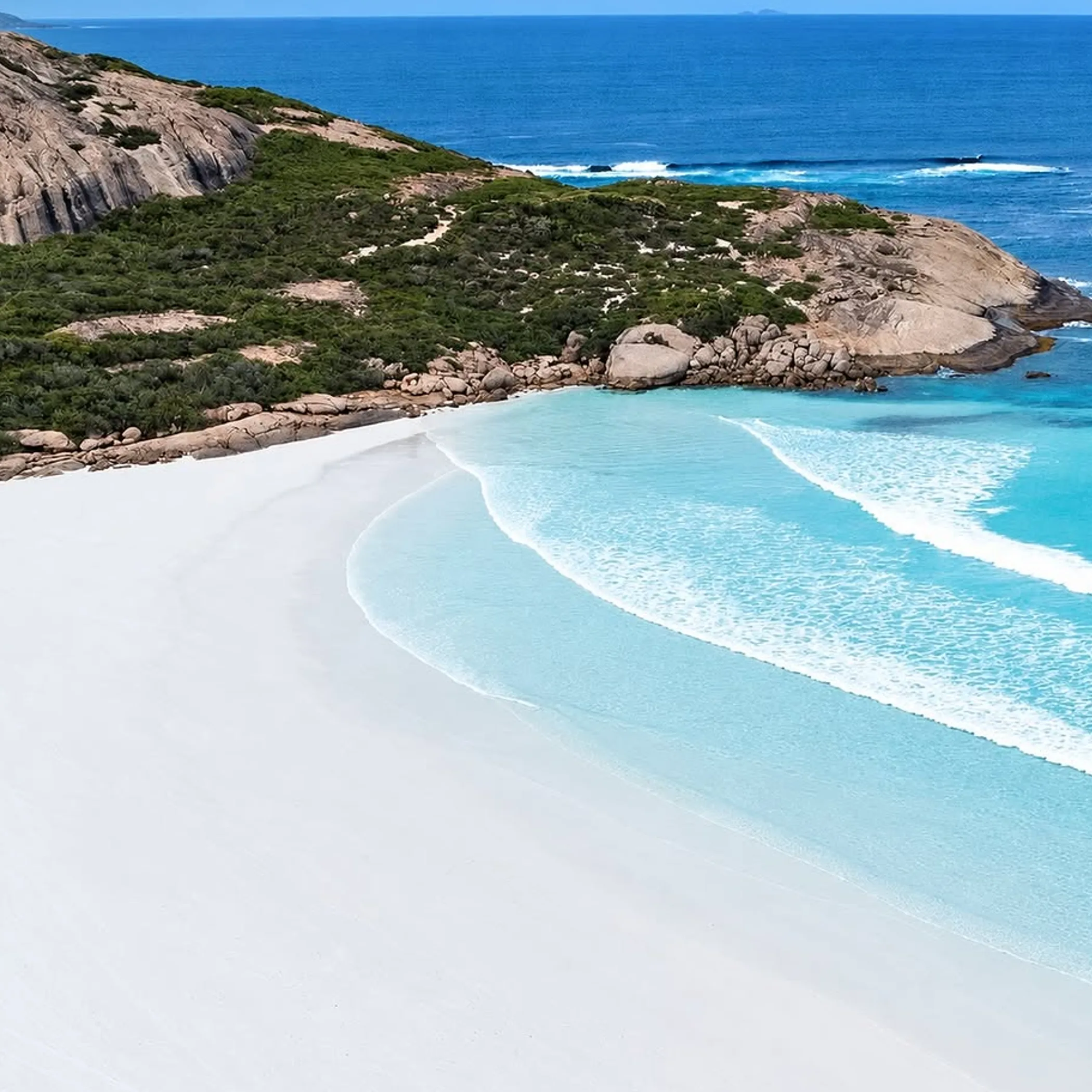
You will see an increase in coastal hazards because they do not come alone. An elevated sea level can turn a tide that would be manageable into something more destructive. Add to that a storm surge or a river running high from intense rainfall and water is forced well inland.
But the 2026 outlook is a matter of risk management, not a forecast that a given house will be under water on a given day. Whether a property is at risk is a function of its location and design, of insurance terms, of dunes and seawalls, of drainage and elevation.
Risk Is Local And Uneven
With thousands of kilometres of coastline in Australia, one gets a false impression from national pronouncements. The mix of hazards in a low estuary of the Hawkesbury-Nepean is not the same as what a Queensland community has to put up with in the face of a cyclone, or a sandy Gold Coast beach, or some remote part of Western Australia.
Residents may want a single map of coastal erosion to use across the board. For the most part you will get better information from the state agency or council, backed by planning controls, historical records and flood modelling.
What Drives Coastal Hazard Risk
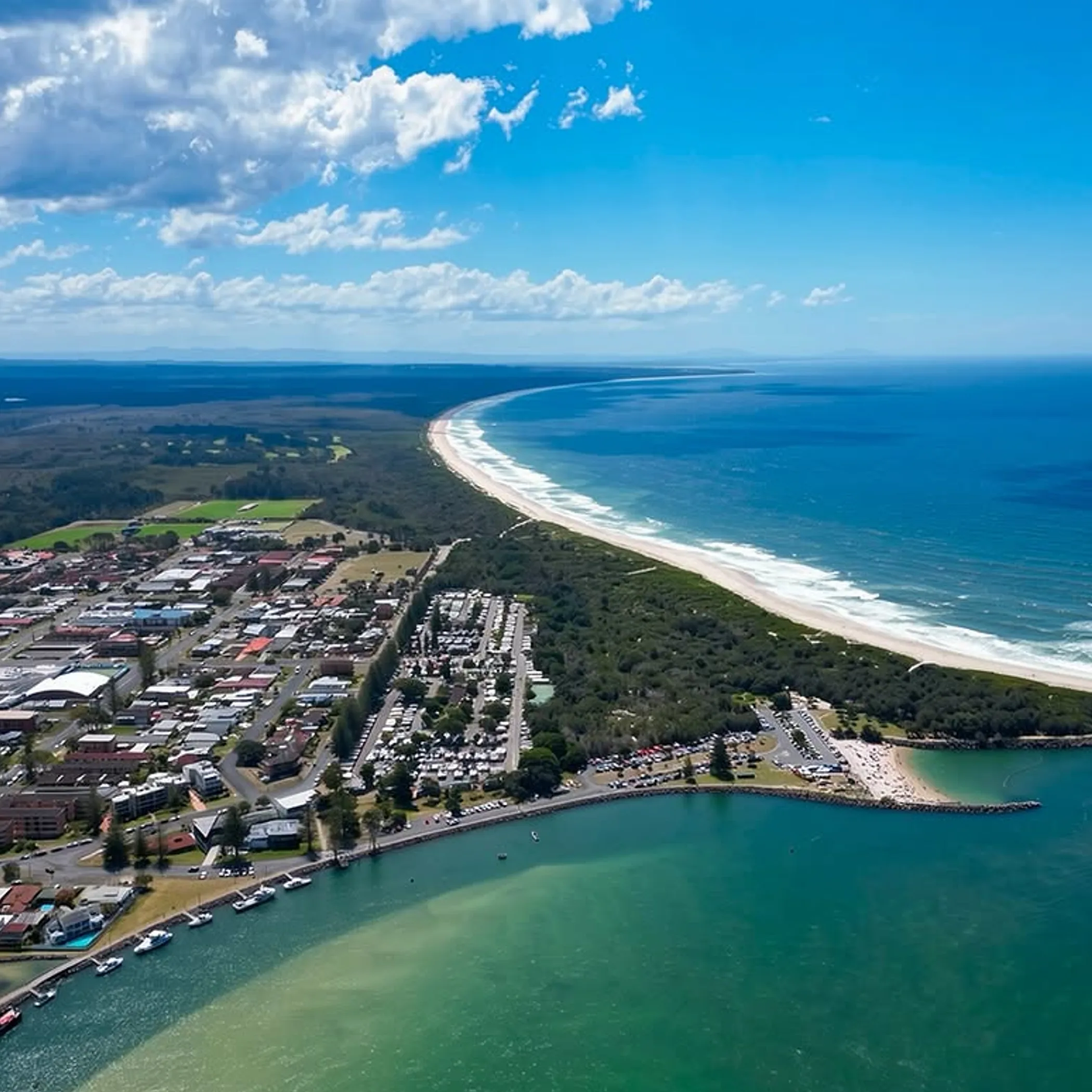
There is seldom a single reason for coastal erosion or flooding. While climate change is behind the long-term trend in sea levels, it is the tides, waves, short-term weather and any human interference with dunes or waterways that decide if an event causes damage.
Knowing what you are looking at puts the risk in context and lets you put aside the internet panic of the moment, which is about as much use as a screen door on a submarine.
Sea Level And Storm Surge
When sea level rise Australia is talked about it is the slow creep in average ocean levels that is of note. This is significant since storm surges now have a higher baseline to start from. The ocean being higher means a storm need not be any more formidable to be damaging.
In severe weather the risk of a storm surge in Australia is at its peak as wind and low pressure drive the sea surface up and towards land. Waves overtop the promenade and dunes and you end up with saltwater in the drainage systems, the home, the park and the road.
Rainfall, Rivers And Drainage
Even with the ocean in a moderate state, inundation is possible. A high tide and a rising creek or river can be enough, particularly when heavy rain has the drains swamped and there is no easy way for downstream water to go. Low-lying streets will then take on water from all sides. It is why you can have a property outside the storm-tide zone and still have to deal with floods; renters and buyers would do well to look at overland-flow and riverine data and not just one layer on a map.
Dunes, Waves And Shorelines
Erosion in Australia is the loss of foreshore, dune or beach, sometimes in a hurry. It can be hastened by large waves, by a change in the river mouth or sand movement, or by a seawall that sends wave energy back, or damaged vegetation.
A storm might leave a beach to recover, though not at the same pace in every spot. There is a difference between a temporary sand deficit and a retreat line that is here to stay; only with close monitoring can you tell them apart.
Where Erosion Is Most Visible
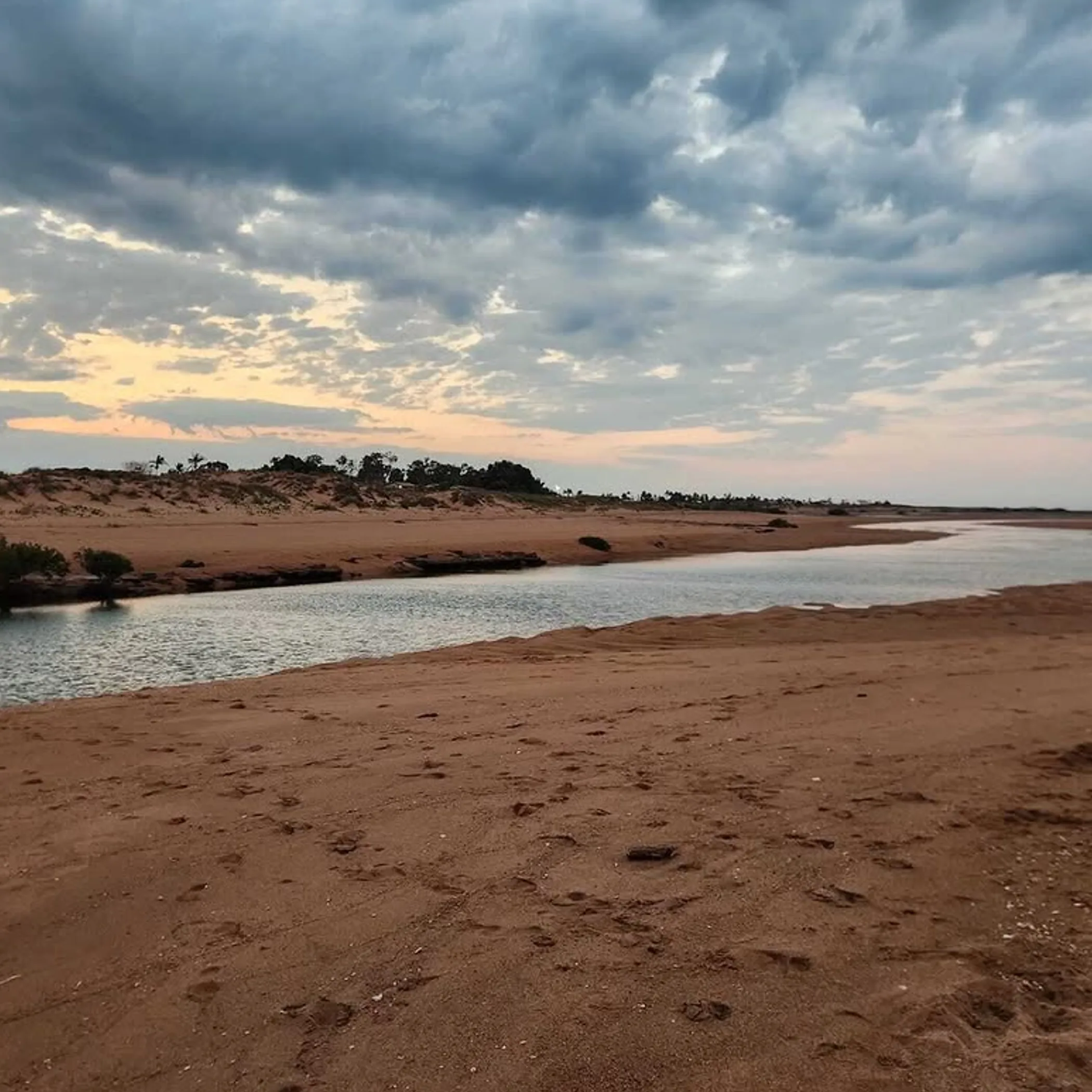
Developed foreshores, inlets, river mouths, barrier spits and open sandy beaches are where you will see it. Groynes, headlands and dredging mean the pattern of sand movement can be quite different from one side of town to the other.
Then there are hazard areas in Australia where today’s erosion is nothing to write home about but future exposure is another matter. On a fine afternoon a flat street off the dune seems perfectly secure. Add in a blocked drain, a storm and a king tide and the review is not so charming.
Queensland And The Gold Coast
In Queensland one finds a mix of tropical climes, river systems, heavy use of the beaches and low-lying coastal development. On the Gold Coast there is a marked vulnerability to the way beach erosion, estuarine flooding, development and storm surge can interact.
While some of the more pressing effects can be mitigated by engineered defences or nourishing the beach, the hazard remains. It is incumbent on property owners to look at local planning data, flood overlays, what restrictions are in place for any building work and the drainage record.
New South Wales Estuaries
Communities in New South Wales are often sited around river mouths, lagoons and estuaries. At times they will be subject to coastal inundation, catchment flooding and erosion all at once; high tide will impede the ebb of floodwater to the sea. One need only consider the Hawkesbury-Nepean rivers to see that being right on the beach is not the only place to find risk. Tides, rainfall and narrow floodplains can put together a formidable combination well inland from the open shoreline.
Western Australia’s Exposed Coast
From urban centres and port facilities to remote outposts and beaches prone to erosion, Western Australia has its share of exposed coastline. There is no uniformity to local conditions, whether in the Pilbara, the south-west, smaller regional towns or along Perth’s metropolitan coast.
Then there is the matter of season. In the north, cyclone alerts and tropical systems are a warmer month concern, but winter storms and a good swell can do their damage on the southern coasts. Before venturing onto an unprotected foreshore track or a rock platform, residents and travellers would do well to heed warnings.
Properties And Infrastructure At Risk
It is not just the old weatherboard house that is at risk on the Australian coast. A new apartment or holiday home, commercial premises, power assets, car parks and even sewerage can be left exposed if the ground is low or the way in is liable to flood.
The trouble with repeated damage is that it is not as easily put right as a one off flood. Saltwater will corrode fittings and electricals, ruin finishes and leave mould in its wake. And when the water has receded the disruption to access, schooling and emergency services may linger.
Expectation Versus Reality
Expectation: One might think a seawall puts a property in the clear. Reality: In fact it could be defending one spot and reflecting waves to another, or eroding the sand in the vicinity.
Expectation: A house has never been under water, so it must be safe. Reality: Past form is no assurance when drainage or sea levels have altered.
Expectation: Insurance will cover every loss. Reality: The fine print tells a different story; policies and their definitions and excesses vary, so do not make assumptions about what is covered for erosion or gradual damage without reading up and getting some advice.
Quick Property Checklist
- Have a look at the council and state maps for any coastal, riverine or overland-flow hazards.
- Find out if the site has been troubled by water ingress or erosion in the past.
- Make an inspection of the subfloor, dune vegetation, retaining walls and the like.
- Get your insurance terms and any exclusions in writing.
- Put questions to a surveyor or engineer before any renovation is planned.
I have found in my time in hospitality that guests are not interested in any grand pronouncement on a destination. They want the straight answer as to if the road is passable, if the car park is under water and if they will be back in time for dark. Such practical honesty should apply to coastal property matters.
Rising Seas And Reef Systems
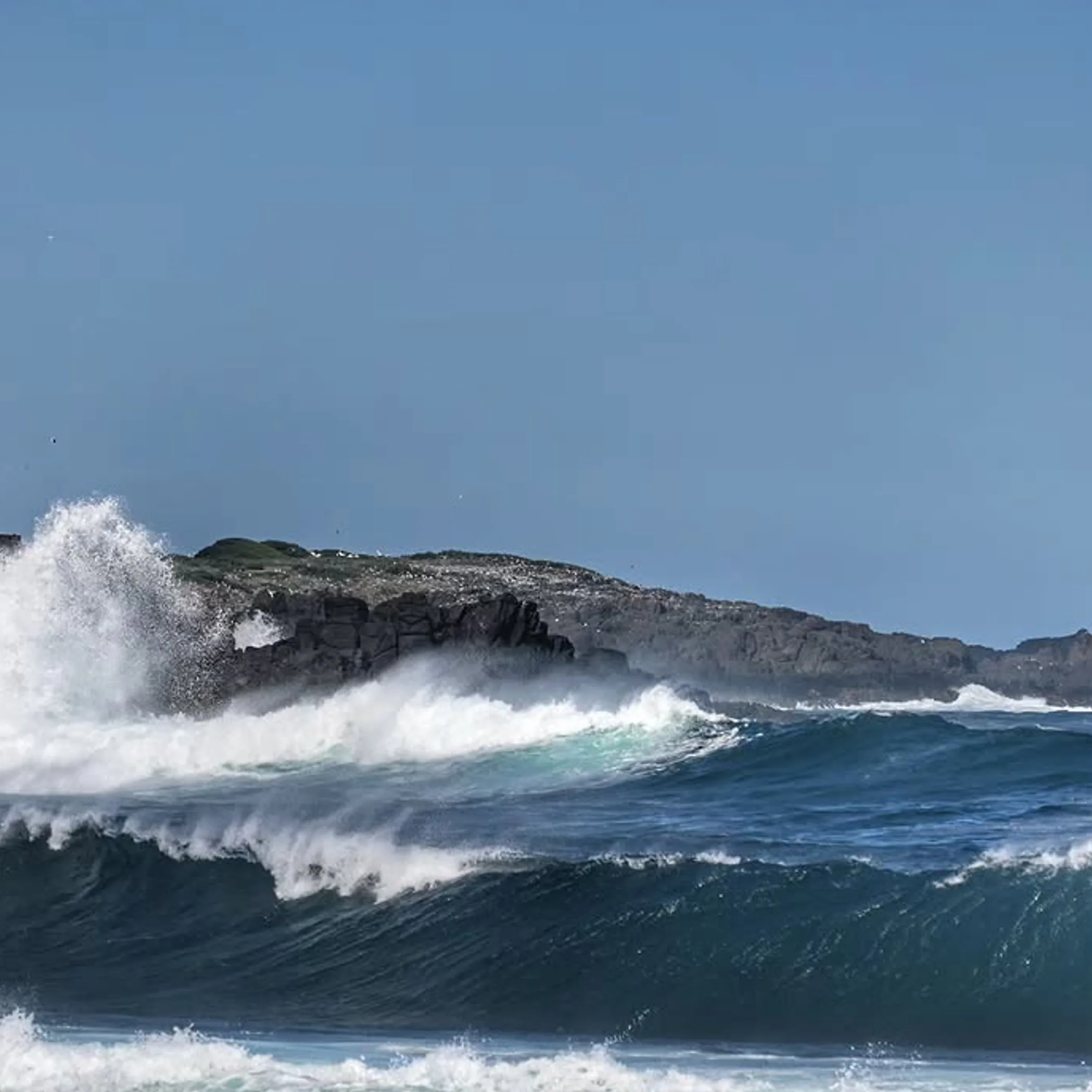
Reef systems and rising seas are two influences on coastal hazards. Mangroves, seagrass, wetlands and dunes can hold back wave energy or floodwater, provided they are in good order and suitably placed.
The Great Barrier Reef is of course vital to the communities and economy of Queensland, but it is no magic defence against the elements or a rise in the sea. How much a given shoreline is protected comes down to the health of the coral, the structure of the reef and the waves.
Natural Buffers Need Room
Mangroves and dunes in good health will buffer the coast but they require room to recover. Hard barriers and roads put limits on that. It does not seem like much to walk through a fenced dune or clear some vegetation, but stability is lost with enough disturbance. Nature-based mitigation is best done in conjunction with sound engineering and land-use controls, not as a pretext for putting a building in a hazardous spot and leaving it to the mangroves.
Practical Impacts For Communities
The reach of a coastal hazard is not confined to the boundaries of a property. Tourism can suffer from an eroded beach, public health is put at risk by compromised water or sewer infrastructure and a neighbourhood can be cut off by a flooded road.
For a small business there is the prospect of lost trading days; for the renter, displacement; and local councils can be left with onerous repair and maintenance bills. The way these things play out is not even, which is why in planning one has to take account of older people, those with a disability, low-income households and anyone who does not have a car at their disposal.
One-Day Risk Check
A day is all you might have to put a coastal property or holiday spot through its paces. Make the official hazard map your first port of call and then have a look at the access road, drainage, dune line, any creek in the vicinity and the lowest ground around. Vary the tide if you can, but do not put yourself in harm’s way to see how bad it is.
Wet weather, public holidays or major tides will require more of your time. You may find parking hard to come by in the neighbourhood of the beach, mobile signal is no guarantee in remote parts and some access tracks are shut. In the north of Australia heeding cyclone and wet-season warnings is essential; in the south, any severe-weather or coastal hazard alerts should be checked before venturing onto an exposed foreshore.
Who Needs Extra Care
Homeowners, would-be buyers, renters, small-business operators, travellers and council users will find this of value. That said, it is no replacement for engineering or legal counsel, an insurance call or an assessment done on site.
Those who do not know their way around tides and surf or an unsteady dune would be well advised to stay off rock platforms and eroding edges when the weather is bad and keep children and dogs from a damaged seawall or fast floodwater. A billy and a tinnie are one thing, making a shortcut through floodwaters another.
Future Projections To 2050
Australia’s 2050 flood risk assessments put it plainly: as sea levels go up and extreme water levels are superimposed on that new baseline, hazards will be more of a consequence. The outcome is a matter of where you are, what the land elevation and storm behaviour are like, the emissions pathway and how good the local modelling is.
Such projections are meant to inform your adaptation, maintenance and planning, not to give an illusion of precision. A map may indicate a future extent but it is not to be taken as a given that every property shown will be under water; it is reason enough to make enquiries prior to building or purchase.
Looking Towards 2100
The divergence between high and low climate pathways is of greater import by 2100. Today’s decisions can write in exposure for the future since you are looking at decades of service for hospitals, rail corridors, ports, roads and other long-lived infrastructure.
There is no one size fits all for a shoreline, so communities might combine a number of options: evacuation routes, better drainage, dune and wetland restoration, stronger buildings, repositioning of assets and revised planning controls.
Reducing Coastal Risk Now
It is a case of having the right information and being realistic in your plans. Governments can put in place better modelling, early warnings and design of infrastructure; on the household side there is insurance, emergency supplies and the like.
You will generally be best served by a layered approach. Have a dune, a drain, a raised structure, a seawall and an evacuation plan to hand. Put them together and they will be more resilient than a single heroic slab of concrete set to do it all.
Use Official Hazard Information
The Australian Bureau of Meteorology is the source for one’s official climate information, including what the latest in national and climate science has to offer. When making a decision on a property though, do not rely on national data alone as it will not put every drainage or erosion problem at street level in view; refer to local council mapping and the appropriate state planning portal.
Prepare Before The Water Arrives
Have your phones, chargers, any necessary medication, important papers and pet essentials to hand. Make sure you are familiar with the way to higher ground and steer clear of driving in floodwater. Put in an order with a licensed professional if you are thinking of changing anything to the walls, dunes, foundations or drainage. For insurance purposes, take some photos of valuables and see that the gutters and drains are in good order.
One should be aware that in severe weather emergency advice is subject to rapid change. Heed the official warnings and any call to evacuate. A beach, bridge or creek may have been placid yesterday but that is no reason to consider it safe.
FAQ: On Coastal Risk
The following are questions we get asked to clear up some of the more common points of confusion. In brief, exposure is a matter of location, timing and how several hazards interact.
What Are Some Impacts Of Sea Level Rise?
You can expect saltwater intrusion, shoreline erosion, increased nuisance flooding and storm-surge, damage to utilities and roads and maintenance costs to go up. But what it means for a given property is dictated by the event’s severity and such things as elevation and coastal protection.
Will Australia Become Unlivable?
There is no accurate answer on a national level. It is not going to be uniformly unlivable, yet in some places along the coast or riverine areas where there is heat exposure, it could be costlier and more of an undertaking to live there with any safety. How one adapts and invests in infrastructure and makes plans for emergencies will determine the outcome.
Is It Safe To Swim In Australian Beaches?
They can be, provided the conditions and the authorities say so. Then again, there are other perils besides coastal erosion and flooding. One would do well to look at the signage and notices on water quality, check the surf and patrol info and heed any warnings. Do not swim in the vicinity of stormwater channels or floodwater outlets, particularly after a heavy rain when contamination is a possibility.
Where Is Coastal Erosion Happening In Australia?
In developed foreshores, estuaries, river mouths, dunes and exposed beaches in many parts of the country. For a specific suburb the best information is to be had from the council and state coastal-hazard data and shoreline monitoring, not some national list.
Can A Seawall Stop Coastal Flooding?
It may lessen the wave attack in a spot but risks remain in the form of overtopping, reflected waves, end effects or drainage issues and nearby erosion. Performance is only as good as the design, the foundations and the wider system under storm conditions.
Make Coastal Decisions Carefully
With the 2026 risks of erosion and flooding in Australia one needs to make measured, location-specific choices. Question any overly rosy property claims, inspect the access route, get a professional opinion if it is warranted and put the tide and storm context into perspective.
There is still much to be had from coastal living, be it a Gold Coast or Western Australia beach, an estuary in New South Wales or the Great Barrier Reef. Homeowners, travellers and the community at large make wiser decisions for the future by keeping the romance and the risk in the same room.