When to Go to Australia
This is a no-nonsense way to pick the right time for whatever part of Australia you have in mind. For more seasonal park visit recommendations, broadly speaking, the shoulder season from April through May and September into October will serve you well; if it is the tropical north or the Red Centre you are after, then June to August is preferable.
The 2026 best time to be in Australia is a matter of what you can put up in the way of heat, rain and holiday crowds, as much as where you are headed and your plans there. Sydney, Melbourne and Tasmania are temperate by nature. The Top End has its wet and dry seasons. In the Outback the sun may be out in force during the day but do not be surprised by cold nights.
I am Rhys Parker. I made my way to Melbourne in 2014 and was soon taught that one does not take an Australian weather forecast as a given so much as a courtesy. Do not think a blue sky makes for simple going; check the conditions and pack accordingly.
Australia’s Climate Zones Explained
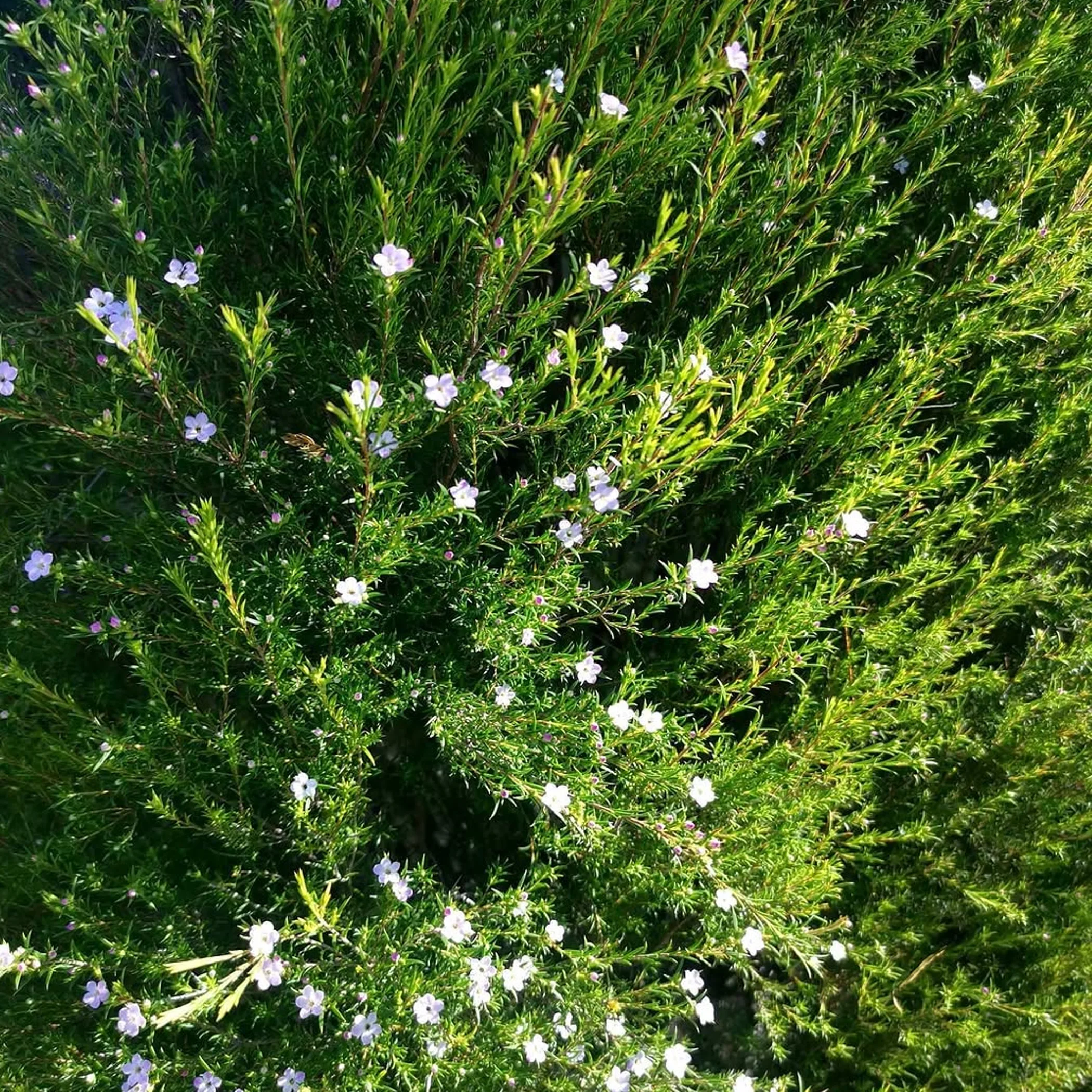
Being such a big country, Australia can have multiple climates in play at once. One might depart a cold morning in the south, head north by plane to some tropical humidity and end the day with the sun setting on arid land. It is easier to plan when you have the broad zones in perspective.
Temperate South And East
There is a temperate climate in Sydney, Melbourne, Adelaide, Perth and most of Tasmania, though they are not carbon copies. You will find warm summers and cool winters, with autumn tending to be pleasant and spring something of a wild card for winds and showers.
Melbourne has a reputation for altering the weather before you are done with your gripes about it. Sydney is warmer along the coast, Adelaide and Perth put in hot, dry summers. Expect Tasmania to be more exposed to the wind and altitude and consequently cooler.
Tropical North And Wet Seasons
Darwin, Kakadu, the Kimberley and some of northern Queensland make up the tropical north. They do not bother with four European-style seasons but have a wet and a dry.
In the wet you can expect thunderstorms, flooding and high humidity, and the odd cyclone. The dry is better for getting around on foot or by car in the national parks, if you can stand the numbers at the good spots. Do not let the simplicity of the map lull you into disregarding a weather warning in northern Australia.
Dry Interior And Red Centre
Temperature in the Outback is apt to swing. Summer is hard going in the heat, but come winter a night in Alice Springs or near Uluru can be quite cold. With the air so dry you need water and shade regardless of how the thermometer reads.
Then there is the rain which can upset your plans. Unsealed roads that appear perfectly flat on paper will be anything but after a downpour. Before you put in any miles on the Stuart Highway or similar, see what the road conditions are like.
Best Travel Window Overall
If you want an all-round trip, April to May and September to October give you the best compromise on access, crowds and temperature. They are not without their flaws in some states but they work.
April and May are good for the Red Centre, parts of Queensland and the likes of Sydney and Perth. For coastal routes and the wildflowers of Western Australia, go in September or October. Be more circumspect with the tropical north in April as the wet can still be about.
Put Comfort First
Some will attempt to cover every region in a single visit and find themselves in airports for half the holiday with a service-station sandwich in hand, marvelling at the size of the place. A more measured approach is what Australia is for.
With two weeks you are better off with either a southern or a central/northern itinerary. The former could be Sydney to Melbourne via the Great Ocean Road, on to Adelaide and Tasmania. The latter would have you in Darwin, the Kimberley and Katherine, provided the roads and season are with you.
Shoulder Crowds and High Season
Come Christmas and New Year or the school holidays, prices for accommodation and the occupancy of caravan and national parks will reflect it. In the regions a private room of modest means will run you in the order of AUD 120 to 250 a night, but in the major cities and at peak times you will pay more. There is more to be had in the shoulder season, not least a greater selection and the likelihood of securing a parking spot. One should not expect all attractions to be deserted for that reason; the well known haunts of Australia are as popular as ever since they tend to be worth the trouble.
Sydney And The East Coast

For Sydney the months from September through to November or March to May are generally preferred. You will find the walking conditions agreeable and there is ample daylight, with none of the extremes one encounters in mid summer or winter.
The coast at Sydney is not just for a day on the beach. Bondi or Manly can be put together with a harbour ferry ride, some time in the national parks or a drive down to the Royal National Park. But wind, tides and weather have a way of altering things in short order.
Beaches
Those in the market for long summer evenings, outdoor dining and a swim will do well from December to February. Expect it to be at its most arduous and hot, especially at Christmas and New Year, so put in your bookings for accommodation and any must do tours in advance.
A coastal walk is more of a comfort in March to May or the September to November window. Put on sun protection and have water to hand in the warmer times and heed fire warnings; a bushfire can put an end to picnic areas and tracks on very little notice.
Roads Of The East Coast
Do not be taken in by the distances separating Sydney, Brisbane and Cairns. What appears to be a simple route on paper may well mean long days behind the wheel, roadworks, poor mobile reception and fatigue. To keep things relaxed, make use of internal flights to get between the major regions or break up the driving with a few overnight stays.
In the event of having but a single day in Sydney, make the harbour and a bit of coast your priority. Public transport is sensible where you can, given the cost and aggravation of parking close to the sights. A day in the national park calls for an early start, enough water for the return and a look at the access notices.
Melbourne, Adelaide, Perth
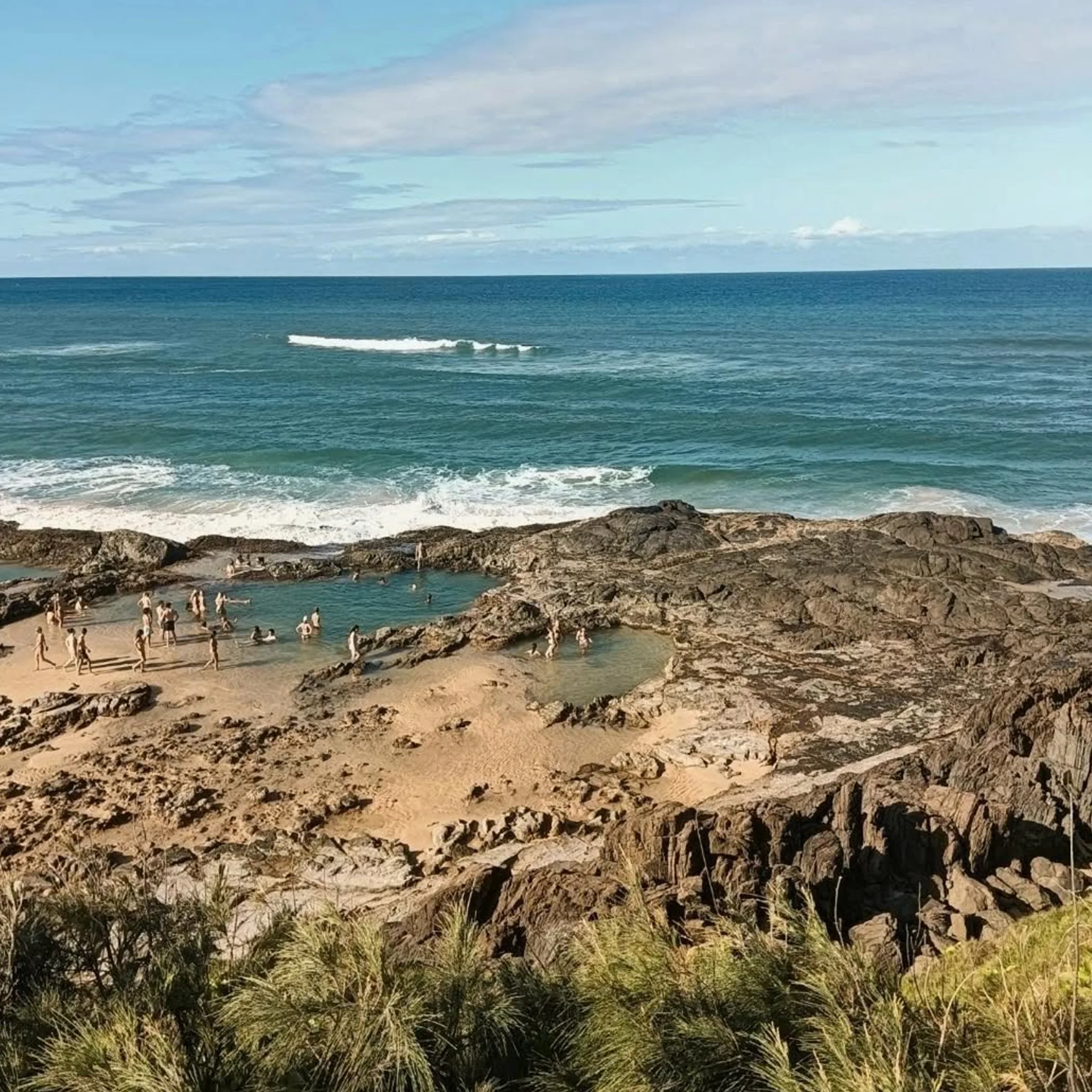
All three are in the southern half of the country but their respective conditions are not the same. Melbourne is apt to change, Adelaide for the most part is warm and dry, while Perth’s summers are hot and winters mild if wet.
March to May and October to November see the best of the southern cities for a gallery visit, some road travel or an outdoor stroll without the need for air conditioning.
Four Seasons In Melbourne
Autumn and spring are usually when to go. Daytime is pleasant and mornings are crisp from March to May; come September to November the days are longer and the gardens are putting on new growth.
One can still be well entertained by the indoor culture, sport and restaurants in winter. Do not think the city is cold all the time and bring layers and a waterproof jacket; the weather in Melbourne has a way of changing its mind before lunch is over.
Conditions In Adelaide And Perth
For day trips and the wine regions, Adelaide is good value in the March to May and September to November period. Summer is no joke so leave the afternoons for something indoors and plan your outside pursuits for earlier.
Perth is at its most comfortable in October to November and again in March to May. There are fine clear days in winter despite the rain. Make sure to check the climate if you are making for the Kimberley or Pilbara north of Perth, the further you go the more seasonal and hot it gets.
I was reminded on a crossing of the Gibb River Road in May that open is not synonymous with easy. Between the dust and corrugations and the need to plan for fuel, progress is slow and a scenic drive becomes an all day affair. You cannot do without a proper four-wheel drive, spares, extra water and means of communication.
Top End And Northern Australia
The dry season of May to October is typically the time to be in the north. Humidity is down and there are fewer road closures to contend with in places like Darwin, Kakadu and Katherine.
Then there is the wet season, say November to April. It can be a dramatic affair with thunderstorms and greenery to spare, but access is fickle. Cyclone alerts and flooded roads can put paid to plans and swimming holes will be closed.
Practicalities Of The Dry Season
For a first timer this is the easiest way to travel. Organised tours are to be had and river crossings present less of an issue. But there is more demand, so reserve your accommodation and tours beforehand.
Before you set off to drive in Kakadu or any of the national parks, it is prudent to look up the access rules and what is closed for the time being. You will find some places where a park pass or permit is de rigueur, or you may have to put in place Aboriginal land access. If you do not know your way around remote roads or are not well versed in croc-wise conduct, engaging a local operator is a good way to forestall an expensive error.
Wet Season Reality Check
The wet season is not to be confused with a normal summer rain, as many would have it. Up in the Top End the humidity is tiring, lightning storms can descend from a single dark cloud and make short work of order, and roads are apt to become unpassable.
Make allowances for spare days when heading north in the wet and do not put yourself to tight connections. Heed the warning signs and put questions to locals as to conditions; there is no point in swimming in waterways that are not approved. An economy plan is of no use if it has you stranded on a flooded causeway.
Timing for the Outback and Uluru
May through September is the usual window for the Outback and Uluru. The winter months are cooler for sightseeing and walking, if a bit cold in the early morning or evening. One can make April and October work with warmer weather and a close eye on the forecast. Summer is an option but the heat can put a stop to driving and tours. In the Red Centre a midday excursion can turn into poor decision-making in a hurry.
Uluru Access And Safety
You can fly in to Ayers Rock Airport or put in the drive from Alice Springs. Should you drive, be realistic about the time needed for fuel, food and a rest; the distances are considerable and one does not want to be in the middle of the lane in a daydream when a road train comes along.
Stick to marked tracks and the park’s instructions, and take on board a guided cultural experience for some perspective on why respect is called for in certain spots. As for climbing Uluru, do not: it is off limits. Walk around it and let the Anangu interpretation and local advice be your guide.
A Day in the Red Centre
One day is enough to see Uluru at sunrise or sunset and fit in a cultural activity or a base walk of reasonable length. Trying to do Uluru and Kata Tjuta as well as the long drive back to Alice Springs in a day is not an itinerary so much as a complaint in the making.
Budget AUD 20-50 a head for a no frills meal, more if you are booking transport, entry or something with a guide. Costs are subject to the season and the operator so check before you book.
Tasmania and the South
December to March tends to be the time to go to Tasmania for the longer days and sure access to walking country. The shoulder seasons of April and November are fine for those who do not mind the chill.
It is a temperate climate but changeable in Tasmania. On an exposed track the weather has a way of turning and the mountains can be cold. Then there is the west coast; Queenstown is a good deal wetter and moodier than Hobart, so dress accordingly.
On Driving and Walking
For extended walks summer is preferred but expect the popular accommodation and tracks to be taken. Winter is better for a quiet road trip or a gallery visit, though the lack of daylight and ice or snow will rule out some remote routes for the less experienced.
There is flexibility in travelling by road but give yourself more time than the map indicates. Photo opportunities, the odd bit of wildlife and curvy roads will put a brake on you. Dusk is no time to be behind the wheel when you are tired and visibility is down and the animals are out.
When to Go
If multi-day hikes and high-country access are what you are after, opt for the long days of summer. For lower-season rates and indoor pursuits in quieter towns, winter is preferable, assuming you are happy to verify track and road conditions in the morning.
An alpine walk in unsettled weather is not for the beginner. Stick to a shorter marked route, put on an extra layer and let someone know where you are going. A mobile phone is handy but do not mistake it for a rescue plan.
Australia Travel Calendar By Month
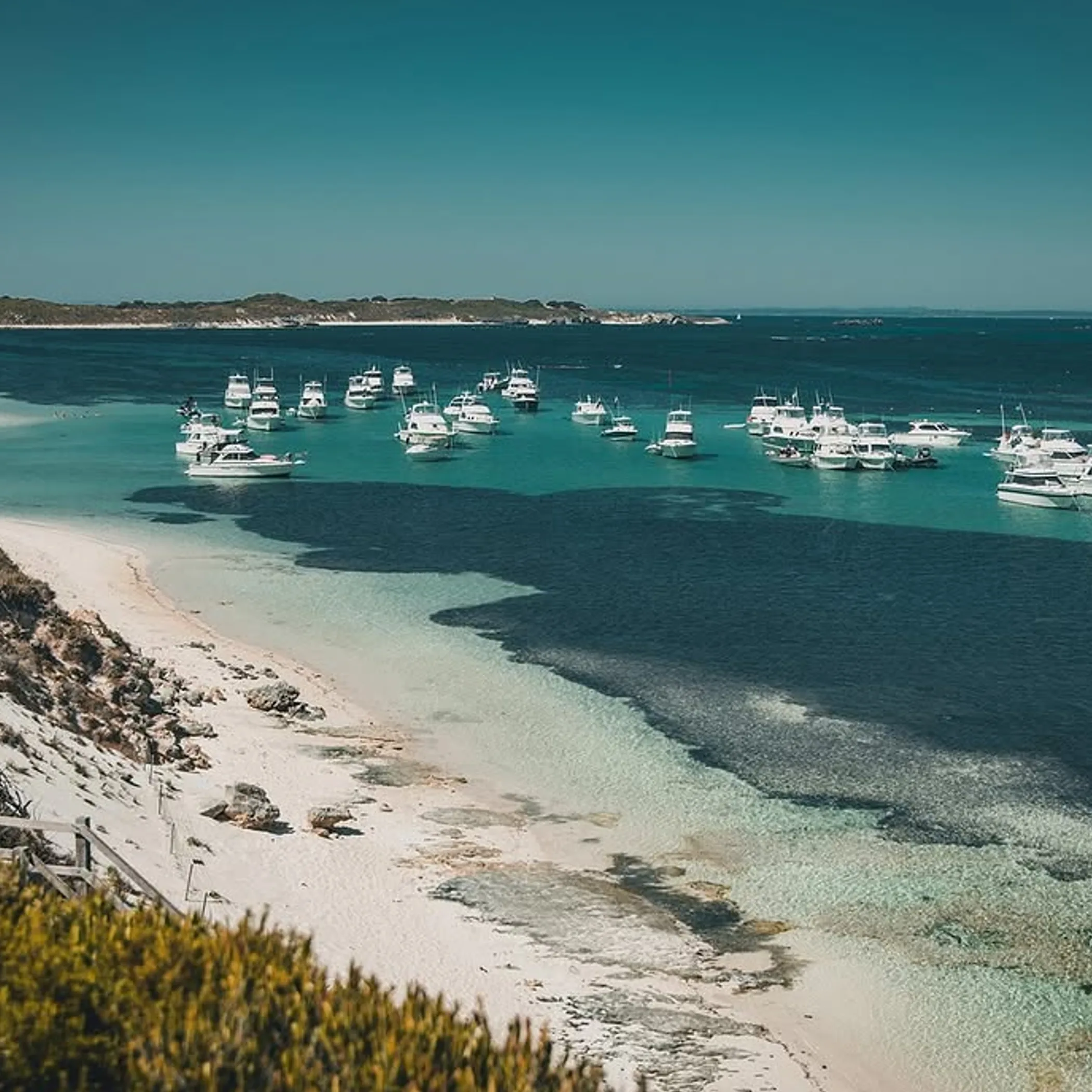
To put your itinerary in line with regional conditions this month-by-month overview is a quick reference. But consider it a framework for your planning and nothing more; the local weather has a way of showing the average up to its true colours. Watch for the strongest regions by month.
| Month | Strongest Regions | Watch For |
|---|---|---|
| January | Tasmania and the southern beaches | Heat and crowds, as well as bushfires and tropical wet-season disruption |
| February | Southern cities and Tasmania | Hot spells, humidity and storm activity |
| March | Sydney, Melbourne, Adelaide and Perth | Variable temperatures with some late-summer heat |
| April | Uluru, inland routes and the southern cities | Northern wet-season access |
| May | Top End, Kimberley, Uluru and the southern shoulder season | Cold inland nights and dry-season bookings reaching capacity |
| June | Darwin, Kakadu, Uluru and northern Australia | Winter chill in the Red Centre and Tasmania at night |
| July | Top End, Uluru and northern Queensland | High-season prices and crowds |
| August | Northern Australia and the central desert | Busy national parks and cool southern weather |
| September | Perth, the southern cities and northern regions | Spring winds, pollen and warmer days |
| October | Perth, Adelaide, Melbourne and east-coast travel | Storms and inland heat |
| November | The southern coast and Tasmania | Early wet-season changes in the north |
| December | Tasmania, Sydney and the southern coasts | Holiday crowds, heat, bushfires and wet-season storms |
Do not put the final stamp on your route without consulting the Australian Bureau of Meteorology for the latest forecasts and any warnings. A seasonal outlook is no more than a guide, one cannot take it as a sure thing that every destination will be hot in summer 2026.
Recommendations for a Park Visit
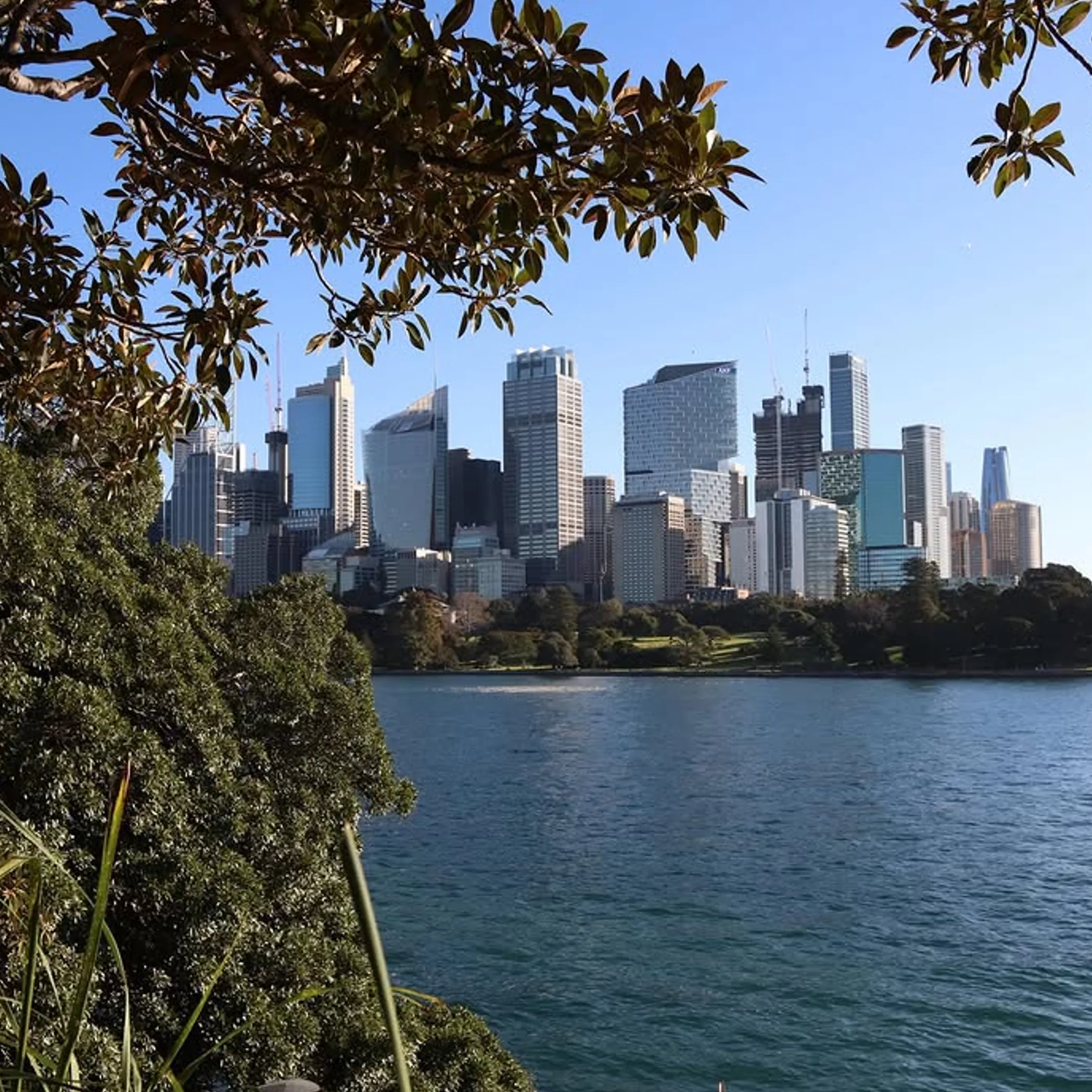
An Australian trip is often made by the national parks, yet the quality of the experience and your safety are at the mercy of the season. Go to the wrong park at the wrong time of year and you may find a car park as packed as a sardine tin, or tracks shut down due to dangerous heat or flooding.
A few things to put on your checklist prior to departure:
- Make note of road conditions, tides, fire danger and any park closures or weather advisories.
- Have a backup plan for communications and make sure your phone is charged. Take along food, water, something to protect from the sun and the right footwear.
- Aboriginal land access, camping rules, entry fees and permits all need to be in order.
- If you are travelling some distance from civilisation, let someone know where you are headed and when to expect you back.
- Allow for daylight and fuel when you are plotting a return.
In the height of summer steer clear of exposed walks and be mindful of bushfire restrictions. Winter means short days and cold in the south. And in the tropical north do not be taken in by a creek that looks like good swimming; follow the signs and put in an inquiry with the locals.
Frequently Asked Questions
The best climate?
You will not find a definitive answer since what is comfortable is a matter of preference. Some will go to coastal New South Wales for the beach and mildness, others to southern Western Australia for warm and dry stretches. Then there is Tasmania for those wanting cooler air. It is down to how much heat, rain or crowds one can stand.
When is the best time to travel?
For a lot of the central and southern country April/May and September/October are hard to beat. The Top End and the north are better served in the June to August window. Do not think of Australia as having one weather system, pick the month to suit the region.
Can we expect a hot summer in 2026?
Not with any certainty. There are local variations in rainfall, heatwaves and the like. Seasonal outlooks will give you an idea of the pattern but check the official word from the Bureau before you leave.
What constitutes the four seasons in Australia?
Summer runs December through February, autumn March to May, winter is June to August and spring September to November. Up in the tropical north the old calendar is less relevant than the wet and dry.
Is the Outback safe over summer?
One can visit but the heat has to be planned for. Put in substantial water, eschew anything strenuous in the hottest hours and do not count on mobile coverage. If remote driving is new to you a guided tour or a cooler part of the year would be wiser.
Weather permitting
There is no single date that applies to the whole of Australia for 2026. Pick the season to your comfort and activity and be flexible enough to let the weather dictate some of it.
First-timers will find the balance easiest in April to May or September to October. Make for the north in the dry season, see Uluru in the cool of the year, and if the going is good in summer put in some of the longer walks in Tasmania. With Melbourne and Sydney, autumn or spring are to be preferred.
Respect the rules in the parks and pack accordingly. Australia has plenty of space and wildlife to offer and it is not given to rewarding those in a hurry, preparation is what is called for.