2026 Solar Care Australia
The first rule of any seasonal solar maintenance in Australia is to make a habit of inspecting your system over the course of the year. Clear the panels of what you can, be mindful of the inverter and battery, and for anything electrical put in a call to a licensed electrician. There is no call for most homeowners to be on the roof every other month; a sensible checklist and an eye for early changes will suffice.
Rhys Parker here, out of Williamstown in Melbourne where one has to contend with salt air, dust on the roof and weather that does as it pleases when it comes to solar performance. In this guide I set out what Australian homeowners can do for their solar panel maintenance in 2026 in a safe manner, how seasons dictate the work, the frequency of cleaning and the occasions where engaging a professional is the better option. Put simply, do not make a Sunday stroll of the roof. Observe from the ground and keep good records.
What is required of solar maintenance in Australia?
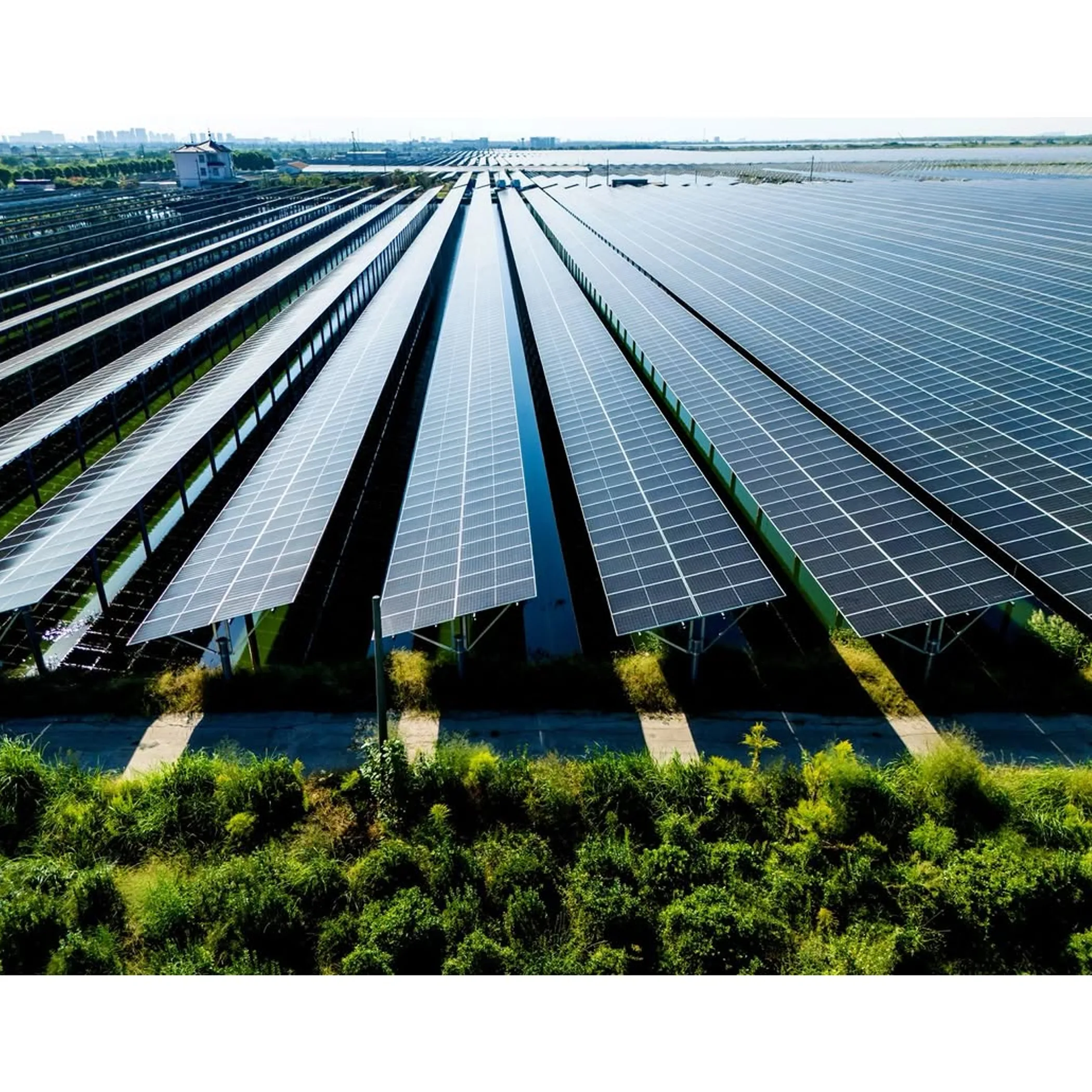
There are no moving parts to a solar panel yet the system at large demands some care. Efficiency can suffer or you may have a safety concern on your hands from things like dirt, leaves, bird droppings, shade, storm damage, poor inverter airflow or old electrical connections.
Prevention is the name of the game. An occasional visual once a season, some cleaning if the situation warrants and having a professional run tests at reasonable intervals will stave off the kind of small issues that turn into costly ones. A climate based cleaning frequency can help guide that decision.
Make a check from the ground
You will see enough from down here: any glass that is cracked or chipped, cables that look loose, new shading, a build up of debris or a bird nest under the panels. See if the inverter is throwing up a fault or the monitoring app is reporting something odd in the way of generation.
Do not be overly concerned with making a number perfect. A seven day rolling average compared to a like for like stretch of weather is of more use than what a cloudy Tuesday might show. Should production take a drop for no reason apparent in the weather or shade, put the date down and get in touch with your installer.
The main components of your system
Panels, cabling on the roof, the inverter, isolators, earthing, switchboard protection and perhaps a solar battery. They all have different requirements. You will not mend a bad inverter by washing the glass nor dislodge a possum nest with a reboot (the possum is unimpressed either way). For safety data the Australian Government’s guidance on solar PV and battery storage is worth a read. And make sure the equipment manuals and installation papers are to hand.
Spring Checklist
After the long days of low sun and winter’s rain and wind, spring offers a chance to reset. Then there is the pollen and birds putting in nests and the activity of overhanging branches.
A bit of routine maintenance now puts the sunlight back within reach for the brighter months ahead and allows you to put in for a professional before summer storms and holidays put a crimp in booking an appointment.
Tend to new growth and shade
See if the midday position is being shaded by trees or vines. In winter the sun is lower and it is easy to overlook. In spring cast an eye on the morning and afternoon shadows too. But leave the pruning around electrical gear to someone with the qualifications to do it safely. A gardener can handle the vegetation but rooftop access and electrical isolation should not be attempted by just anyone.
Put the winter weather to the test
Any water marks about the inverter, displaced tiles, blocked gutters or evidence of a nest under the array? Do not go poking beneath the panels. Besides the ladder, you could find damaged wiring, wasps and sharp edges in a nest.
For those with a battery, ensure the area is dry and clear of garden tools or boxes and that ventilation is not obstructed in line with the manufacturer.
In brief:
- Unusual generation? Make a note of it in the app.
- Inspect for grime, cracks and birds.
- Any new shade from seasonal growth?
- Leave the inverter and its surrounds uncluttered.
- Faults, water or damaged cables are grounds for a professional to come and have a look.
Heat, Storms and Summer Output
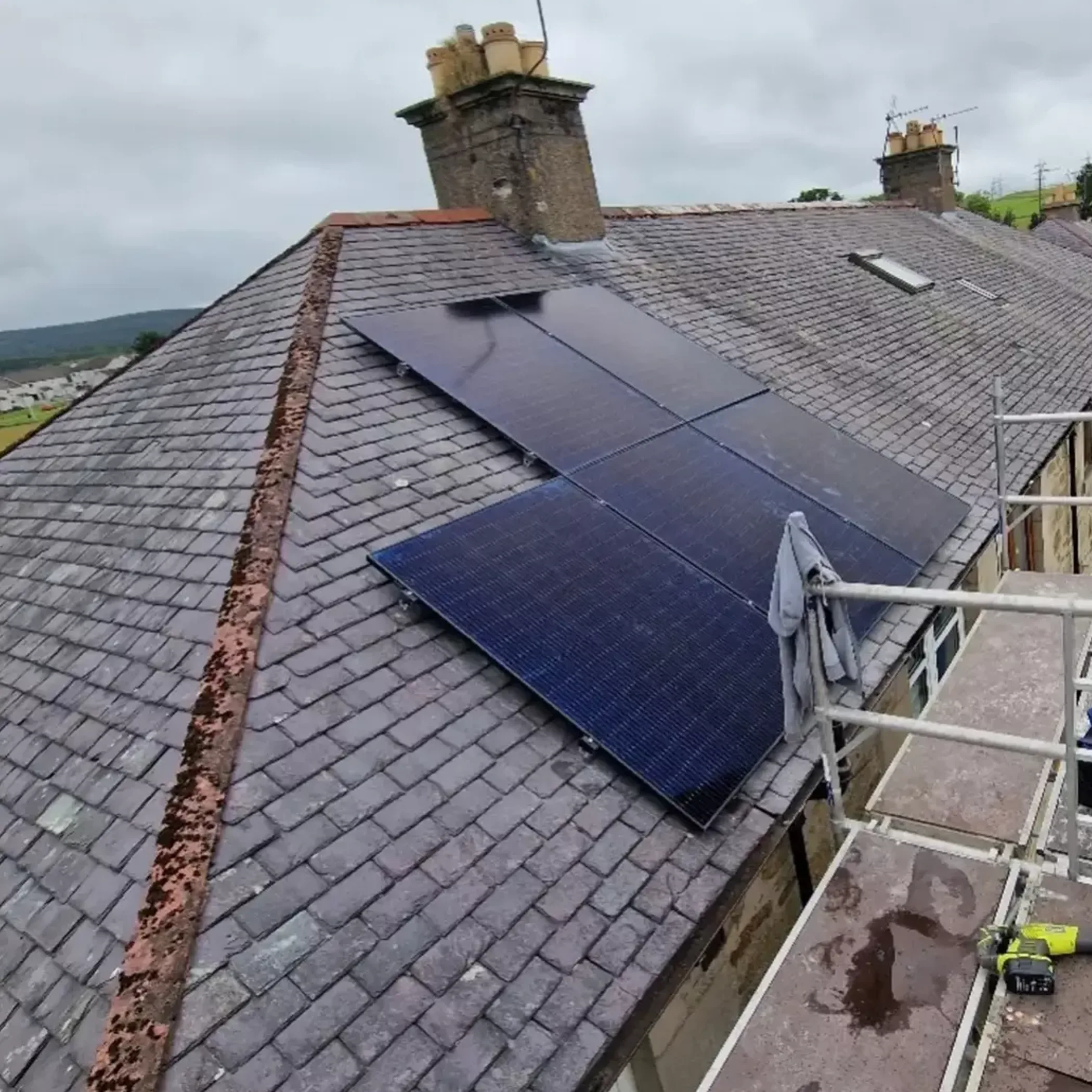
The summer months are apt to produce high temperatures, severe storms and strong generation. In northern Australia one will see cyclone alerts from November through to April. But do not assume that with more sunlight comes greater output; panels running hot, a shift in the shade or storm debris on the surface can put a damper on it.
An inspection is called for in the wake of a summer storm, particularly if there has been hail, hard winds or intense weather. See that conditions are safe before you do so, then have a look from the ground. Any electrical work or checks on the roof should be left to an accredited solar installer or licensed electrician.
Heat And Ventilation
One can be forgiven for not giving inverter ventilation the attention it warrants. Make sure the inverter is not hemmed in by stored chemicals, cobwebs, weeds or other items. It must be given the clearance the manufacturer stipulates and not be put in an enclosure where heat is trapped.
Very hot weather will see the solar panels work with less efficiency, so a hot day may not put out as much power as a bright but cooler one. That is to be expected. An unexplained change, a fault message that will not go away or repeated shutdowns are another matter.
Severe Weather Inspections
Broken glass, water pooling, exposed cabling, loose panels or a branch down are what to be on the lookout for after a storm. Damaged equipment is not to be touched. Resist the temptation to keep switching isolators on and off in the hope the problem will sort itself out. Should the battery, switchboard or roof be compromised, put some distance between people and the area and get professional help.
In bushfire country, a nearby event will mean checking for windblown debris and ash which is both abrasive and tenacious. Never clean the panels when they are hot and leave the pressure washer and harsh chemicals alone.
Autumn Maintenance
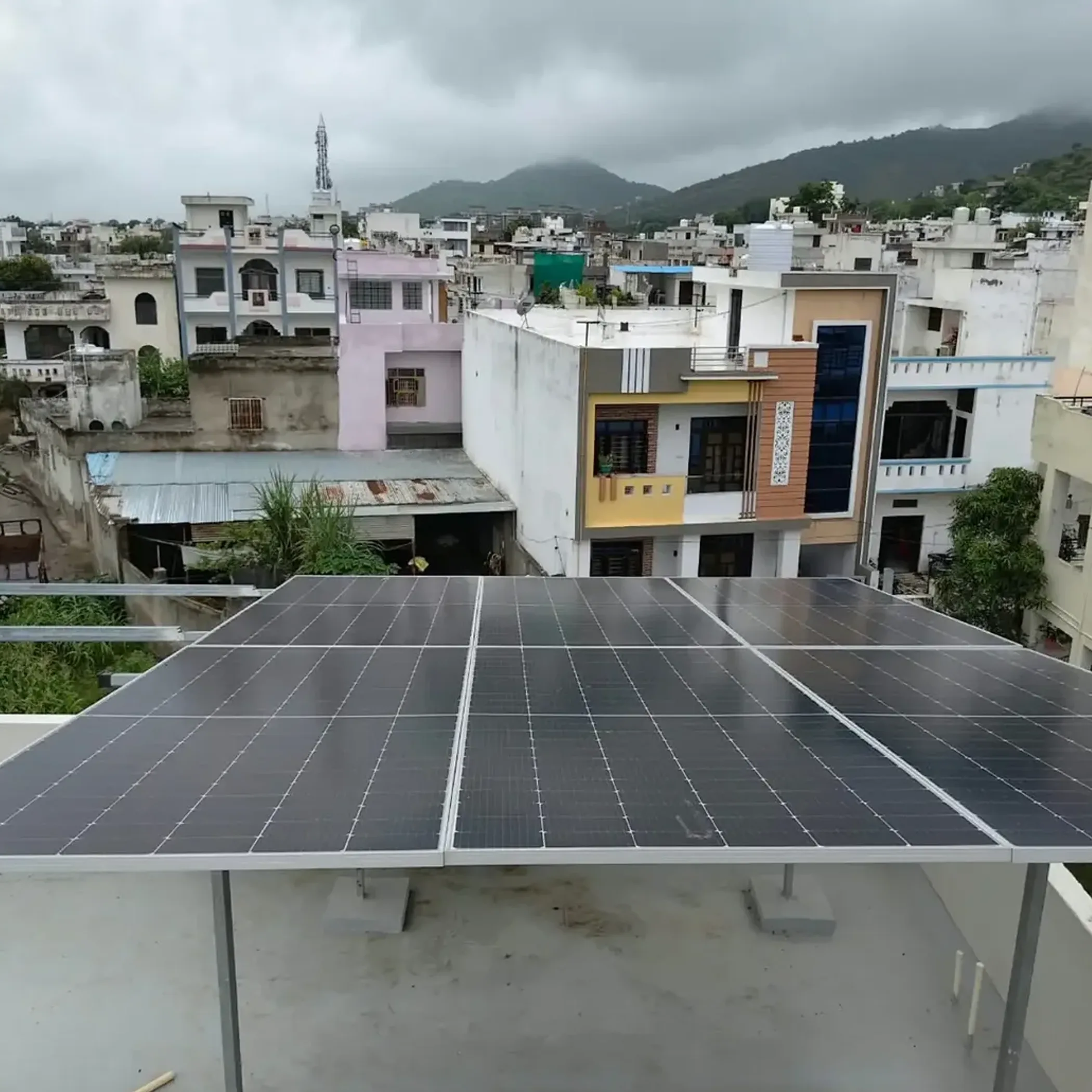
With autumn come shorter days and dampness and the maintenance requirements alter. Leaf litter is a fact of life in Brisbane after a storm, in Melbourne wet leaves make their way to low-pitched roofs and in Perth dry dust and what the wind blows in can be more of a nuisance.
There is no point in making the roof immaculate for the sake of it, but removing leaves from around the gutters, drainage and panels is good practice to head off shading, access issues and any moisture that might be held up.
Debris And Leaves
Stand in a safe spot on the ground to see if the array is being covered by branches or leaves. Unless the roof is low and you have a proper platform to stand on, follow the instructions for the equipment and do not put your foot on a panel. Better to call in a professional who knows solar systems. All too often a person will treat a leafy panel as he would a driveway; roofs are fragile and panels slippery and a tumble is a lot more expensive than a cleaner. A bit of sun does not make one qualified for the job.
Damp And Salt Air
For those in coastal Williamstown or Perth there is the prospect of salt corrosion on the metalwork and electrical gear. The combination of salt, moisture and dust means these homes require a more thorough visual once over than an inland property. Do not attempt to sand, paint or take apart anything that is corroded. Take a photo from a safe vantage and let a professional decide if it calls for replacement or testing.
Wiring, Batteries And Winter Shading
The low winter sun is a good time to check what was otherwise hidden. Wet weather has a way of showing up sealing or drainage defects. In southern Australia and Melbourne the angle of the sun will lay bare a problem you would not have seen in the summer. Up in the Top End and elsewhere in the north the wet season presents its own set of difficulties with the humidity, storms and cloud cover.
Shade: measure it
Use the app to monitor the solar and note the time shadows are on the panels. There is a world of difference between a few hours of shade on a string and a shadow in the corner. If performance is off, have an accredited installer make an assessment instead of putting it down to dirty panels. Travellers on the Stuart Highway or in the Red Centre will know how fast the dust settles in the dry, but a dusty appearance is no reason to put the panels through a wash. Let actual soiling and safe access dictate when cleaning is done.
Batteries
Any testing of the solar battery ought to be done in line with the service recommendations of the installer and the maker’s own instructions. Be on the alert for warning lights, swelling, water getting in, odd noises or heat and a drop in storage capacity.
Make sure the battery has plenty of ventilation and is unobstructed. Do not try to make electrical repairs or open up the battery enclosure. One should remember that a battery system will have stored energy irrespective of whether the sun is out, which means the safety protocols for your solar system are in effect at night as well as in a blackout.
Cleaning the Panels: How Often?
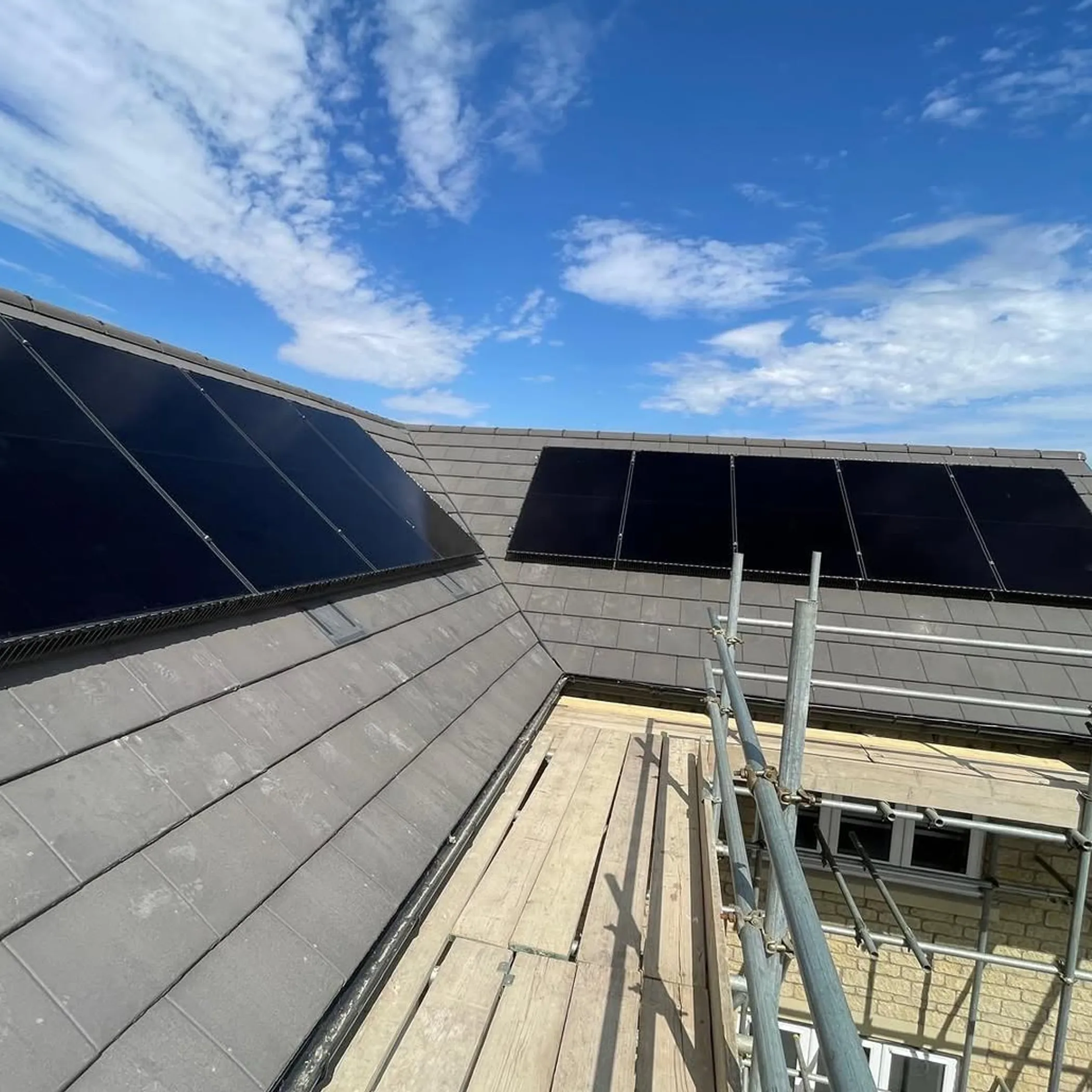
You will not find a national standard for cleaning intervals that fits every home in Australia. The frequency with which one should clean solar panels here is dictated by such things as dust, pollen, rain, roof pitch, coastal salt, bushfire ash and bird activity, or if the surface can be washed by natural rainfall.
Consider it a case of climate based cleaning frequency; the maintenance calendar for a property in Brisbane or Perth is not the same as in Melbourne or the regions. A suburban roof might not require much in the way of attention but a rural property given to dust or where birds are about will call for more regular checks.
| Location Or Condition | What To Watch | Practical Response |
|---|---|---|
| Leafy suburban roof | Leaves, bird nests under panels and pollen | A spring or autumn inspection is called for; do away with any buildup that impedes drainage or sunlight |
| Dry inland or dusty area | Ash and dust | Monitor and look over the panels; put in for a safe cleaning if they are badly soiled |
| Coastal property | Grime and salt corrosion | Have a look at the equipment and metalwork; on the matter of corrosion get some professional input |
| Bushfire-affected area | Damage from heat or storms, ash | Stay clear of any damaged gear and have an expert come and inspect |
| Home with major new shade | Output will be down at times | Note when this happens and have an installer evaluate the system’s performance and the shading |
For those in Australia wondering how often to give their panels a clean, an inspection is a better guide than a date on the calendar. A bit of rain will see off loose dust but you cannot count on it to get rid of ash or oily residue and bird droppings. Under no circumstances put high-pressure water, harsh chemicals or abrasive pads to the panels.
DIY Solar Safety
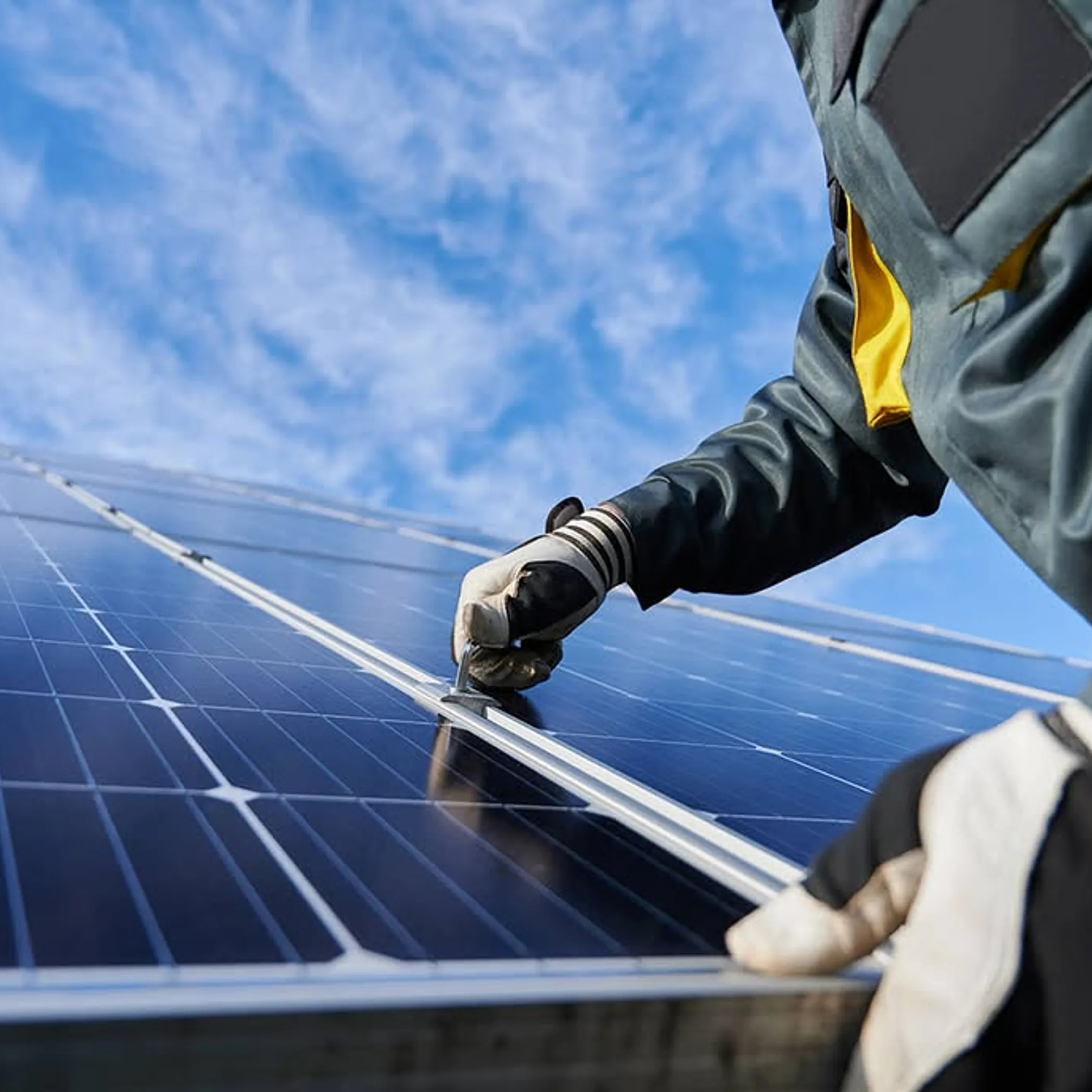
There are a number of things a homeowner can put right, record or report without risk. But rooftop work and repairs are another story. As for earthing, AC/DC isolators, cabling damage and insulation resistance, these demand the proper authorisation, training and equipment.
Some will make the error of thinking the system is no danger once the inverter is switched off. Batteries hold their charge and the panels put out electricity in the daylight. In any doubt, put down the tools and put in a call to a licensed electrician.
Jobs the Homeowner Can Do
- Look for fault messages or anything out of the ordinary in the monitoring app.
- From the ground, have a visual of the panels and other equipment.
- Put boxes and garden tools out of the way of the inverter and battery vents.
- Should there be storm damage, take photos and note the error codes and date for the installer.
- Leave the servicing or cleaning to a pro if it entails testing or wiring.
Spend your time on the inverter display, monitoring data and any obvious shading or storm damage; that will tell you more than an afternoon polishing panels a shower could have done. And if you only have the day for it, those are the priorities.
When to put in for a service
If there are overheating signs, battery warnings, exposed wires, water getting in, or you are seeing unexplained loss of output and the like, then book a professional. They are able to test what is not visible from the ground. The nature of the problem may mean he will be doing thermal imaging, an inverter assessment, verifying the earthing and AC/DC isolators and running insulation resistance and other electrical tests. Find out if the person on site is a licensed electrician and that the installer has the proper accreditation from Solar Accreditation Australia.
Costs for Cleaning and Service
In Australia the price of having your solar panels put to rights will be dictated by a number of factors: roof height, how many panels there are, location and access, any staining or gutter work involved. For planning purposes one can expect a simple cleaning to come in at a few hundred dollars or so; but for electrical repairs, thermal imaging, battery work or fault-finding the bill could run to several hundred or more.
Insist on a written quote with line items for travel, parts, inspection, repairs and the like. Do not be taken in by a contractor who puts his name to a guaranteed uplift in output before he has seen the system. Generation is subject to the weather, age of the equipment and shade.
Some Questions Homeowners Ask About Solar
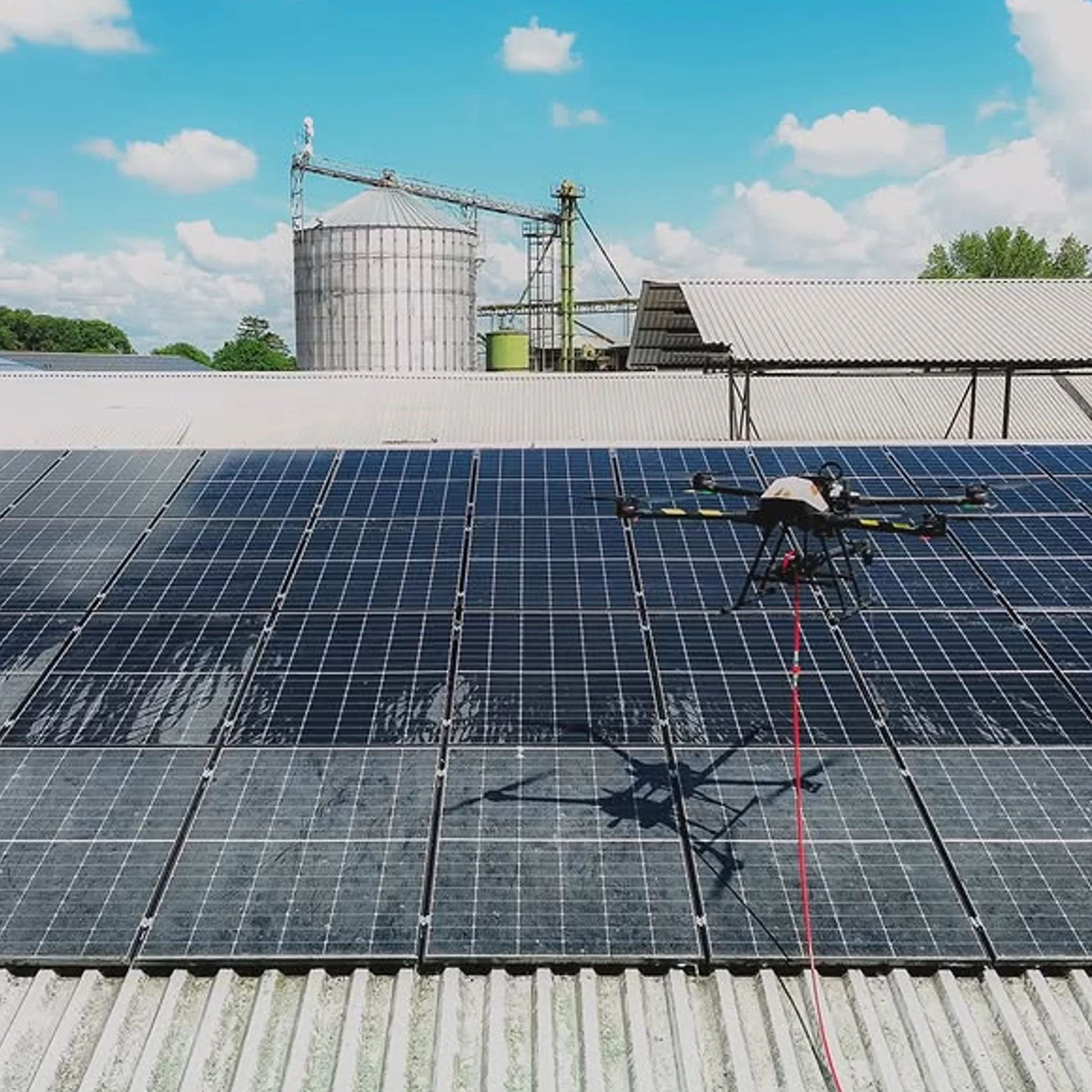
You will find these are the sort of things put to us before a service call is made. We have given practical answers as one should have a clear head about solar maintenance before someone comes around with a ladder.
What kind of maintenance is called for?
For the most part it is a matter of visual checks and monitoring, keeping vegetation at bay and seeing to any dirt or debris on the panels. Should damage or faults show up in the cabling, earthing, inverter, isolators or battery then they require attention. Any electrical testing must be done by a licensed electrician.
Tell me about the 20% rule.
There is no blanket rule in Australia under which every homeowner is told to replace equipment or clean. Some may treat 20% as an informal benchmark for performance but you have to factor in the season, heat, cloud cover and the size of the system. A change of 20% does not of itself indicate a fault; compare like with like over similar weather and get some professional opinion first.
What are the usual problems?
Shading, inverter and cable damage, failed isolators, bird activity, poor data from the monitor and battery warnings are all common enough. The cause is not always what it seems. An inverter error might need an electrician’s test, not a clean, and less generation could well be down to shade and not grime.
How often is a cleaning necessary?
At the very least once a season. If local conditions have left a visible residue or there is an unexplained drop in performance, then do it. A place with dust, salt, ash or trees and birds will demand more than a quiet suburban home. It is better to have safe access than to be bound by some six month schedule.
Is it something I can do off the roof?
Not for everyone. With steep pitches, wet and fragile tiles, hidden cables and the danger of falling it is a risk. Unless you can get to it from a vantage point where you are not walking on the array or in contact with the electrics, leave it to the professionals.
Reliability of Your System
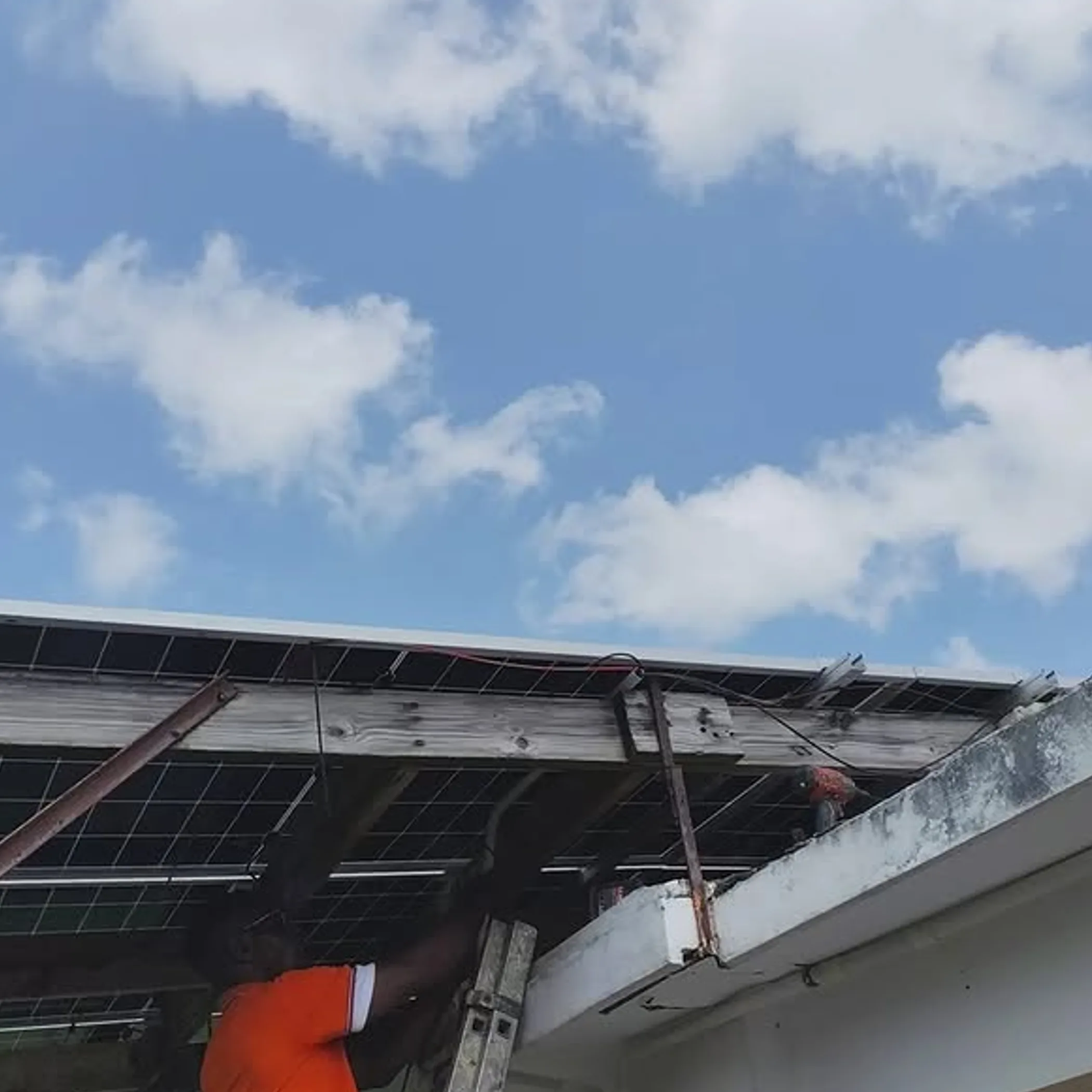
Seasonal maintenance in this country is largely a case of good timing and keeping records. Observe for corrosion, nests, ventilation issues and the odd fault. Clean when it is warranted and call in a licensed electrician for anything involving the rooftop or batteries.
A sound routine is to inspect in the spring, put right any storm damage in summer, deal with leaves in autumn and in winter have a look at the wiring, shading and the battery. It is a way of looking after the efficiency of the panels and staving off a repair bill that would otherwise be a rough as guts affair.