It is more than a case of putting your name down for some eye-catching brow course and parting with cash for a machine. Put simply, the new practitioner will have to put in the work to show they can handle real clients without incident; that means having your insurance and compliant premises in order, being competent in infection control, securing the necessary skin penetration approvals from the local council and completing nationally recognised training.
I am Rhys Parker. Should you be looking at a short course or a diploma, council registration and so forth? The answer for anyone wanting to make a proper start in this country is to go the safe way with an RTO accredited in cosmetic tattoo training for the SHB50321 Diploma of Cosmetic Tattooing. Add to that HLTINF005 Maintain infection prevention for skin penetration treatments and any other stipulations from your state or territory and you are covered. A lot of folks overlook that in favour of the before and after pictures.
2026 Rules At A Glance
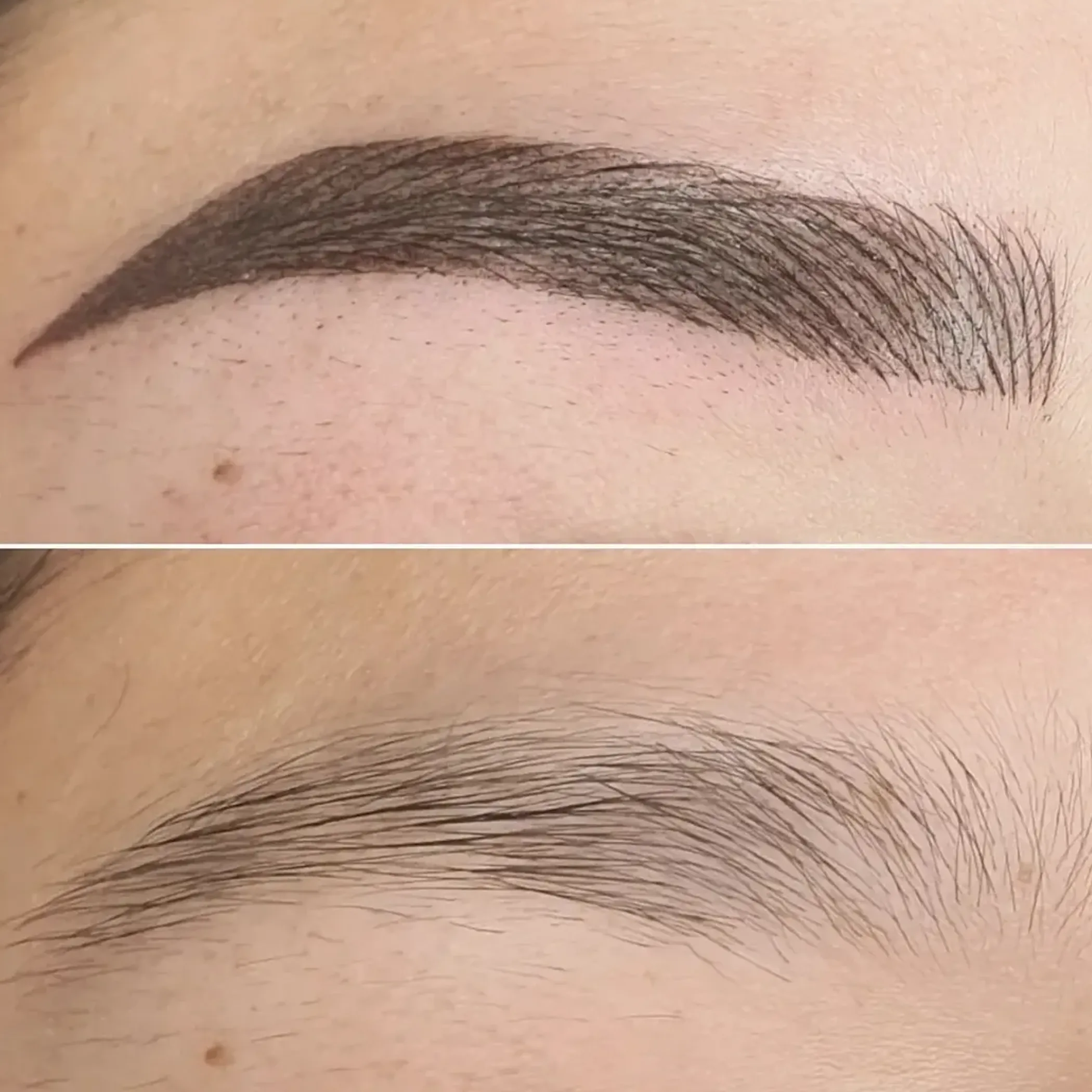
Those planning a cosmetic tattoo business or on the prowl for a course would do well not to wing it in 2026. Understanding permanent makeup safety regulations is crucial. With regulation coming from national training standards, public health rules of the state and local council enforcement, you will not find the whole story in a neat line on a brochure.
There is no such thing as an Australia wide “cosmetic tattoo licence” you can be handed like one for the car. Before you put hands to a client’s brows or do some eyeliner, lip blush or scalp work, you will generally require local sign off, the appropriate training, business registrations and infection prevention that is up to standard.
Who we have in mind with this guide
Whether you are a beauty therapist making the move to advanced services, a salon owner who wants to put cosmetic tattooing on the table for your existing business, or a beginner weighing up what the various providers in Australia have to put forward, this is for you. It will also come in handy if your training has been of the informal variety and you are now bent on straightening out the paperwork ahead of a council inspector turning up unannounced.
The law’s point of view
Regulators in Australia are chiefly preoccupied with how you keep records, conduct your business honestly, get consent, handle sharps and ensure the premises are fit for purpose. They want to see sound sterile technique and waste disposal and screening of the client, not whether the ombré on the brow is soft.
For the facts on training packages I would point you to the national training package and qualification records at Training.gov.au. There is a difference between what marketing will have you believe and what is actually backed by a registered training organisation.
A matter of national qualification
In 2026 the national qualification is what makes for a defensible pathway. You have the evidence to put in front of an employer, insurer or a client who is wary of becoming your guinea pig. My own take is that while a masterclass will put a few techniques under your belt, it is the diploma that gives you the structure and assessment to comprehend the job in its entirety.
The SHB50321 Diploma of Cosmetic Tattooing
This is the one most in step with professional practice here in Australia. In the right hands it should encompass colour theory, pigmentology, skin anatomy, treatment planning, consultation, the design of the brow, eyeliner and lip blush, as well as the business side of things.
Do check that the provider is an RTO and the qualification code is in order with Training.gov.au. If they tell you they are “nationally accredited” but can’t put a finger on the RTO and the code, consider it a warning light rather than an oversight.
Diploma or short course
The argument over scope and risk is what separates the two. An experienced hand might do a short course to pick up ombré brows but for a novice it is no substitute for demonstrating full competency. One does not become ready for work after a two day class. You are dealing with live skin and the risk of blood, variables in pigment retention and healing issues. Throw in a poor consultation and the client can be as difficult as you like.
Then there is the matter of infection control.
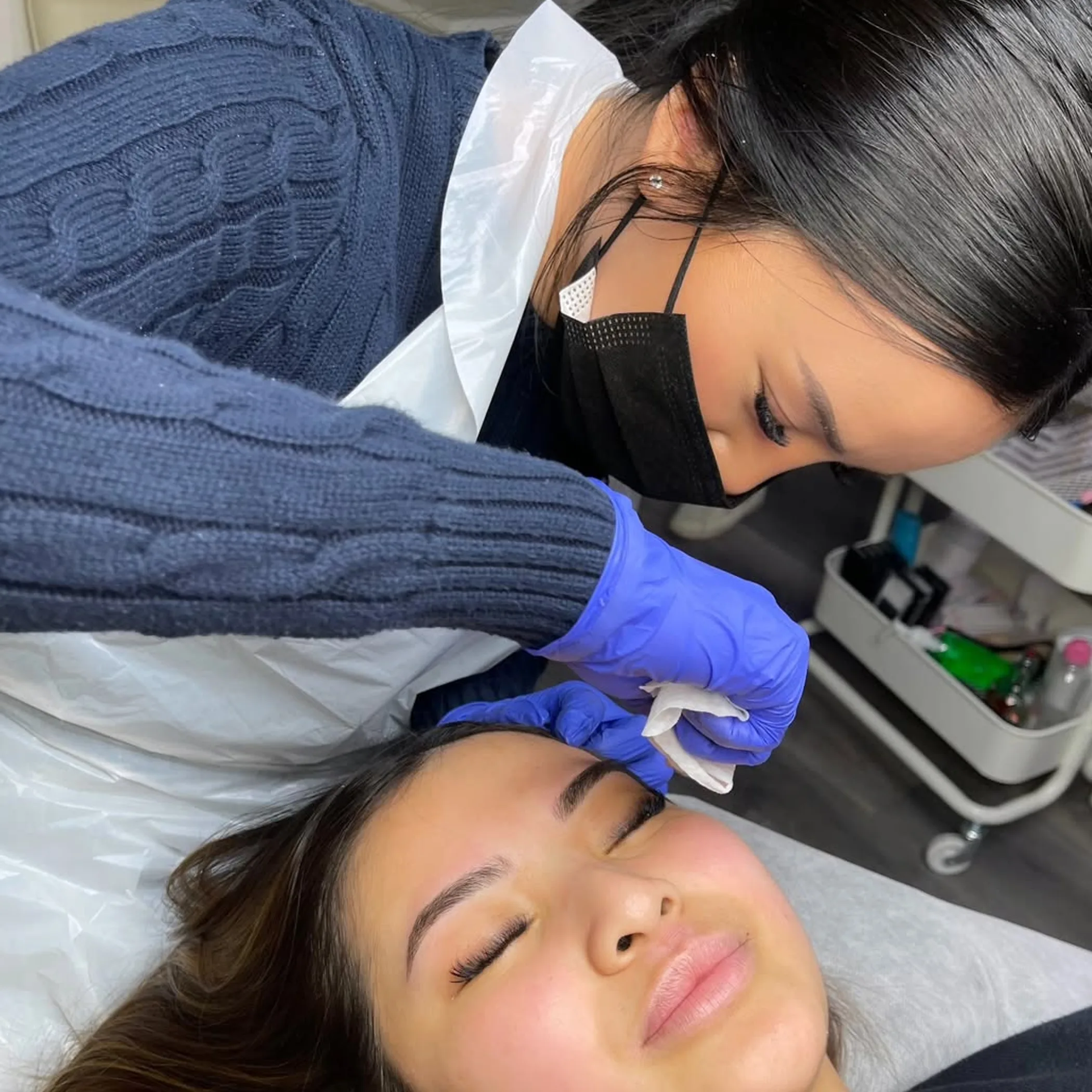
You can have all the branding in the world but it will not shield you from bad hygiene. Councils and insurers will be on top of that first thing as it is fundamental to practising within the law. There is no better place to put the matter of permanent makeup safety regulations in perspective. A lax approach to infection prevention and the rest of your credentials are little more than for show.
The case for HLTINF005
Formally known as Maintain infection prevention for skin penetration treatments, the HLTINF005 unit of infection control is indispensable for those whose work involves breaking the skin. It covers all the usual: standard precautions, hand hygiene, the management of sharps and waste, PPE, cleaning and how to avoid cross-contamination. Put simply, it is the side of the job that affords a measure of safety to both practitioner and client. Then there is the question of council registration compliance and whether an insurer will underwrite you with a professional indemnity public liability policy for tattooing; this unit has a bearing on that.
Sterile technique in the field
You would be hard pressed to find anything complicated about sterile technique on paper. In the real world, trouble comes from small oversights. A pair of gloved hands on a non-sterile surface, pigments not put away properly, documentation that is thin and patchy, or the temptation to see a client with an active contraindication when the appointment book is as full as a sardine tin.
In the course of running a spa I have seen it time and again: people do not go wrong because they were unaware of the rule, they go wrong because they are in a hurry. Cosmetic tattooing is the same. The therapist who is behind schedule, does not bother with the setup checks and makes up his own stock management system is the one who will be made an example of.
A look at the states and territories
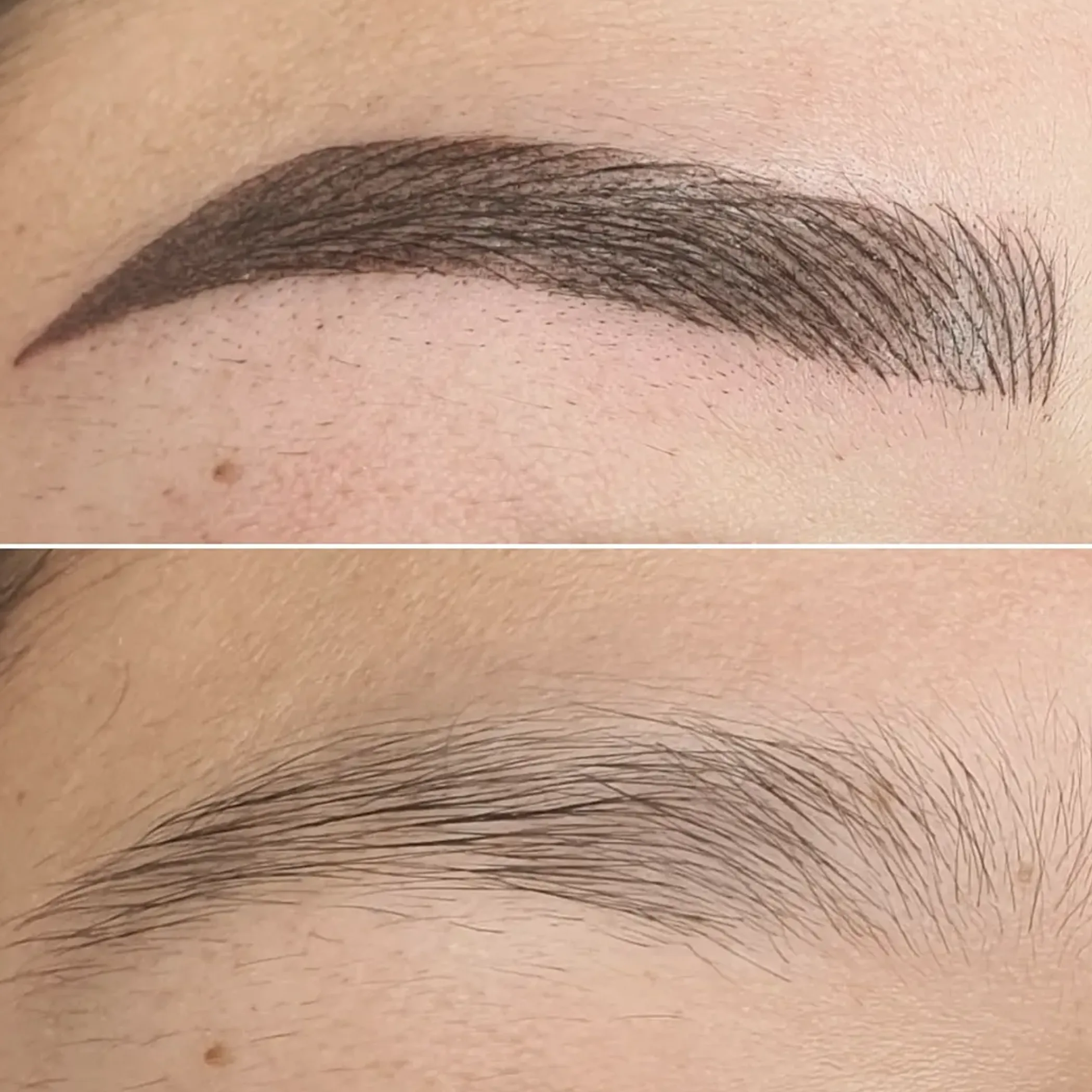
You will not find a single national operational law governing cosmetic tattooing in Australia. While the training carries national recognition, health regulation and enforcement are left to the local authority and the jurisdiction. So the sort of questions you might face over cosmetic tattooing qualifications NSW are not the same as in cosmetic tattooing qualifications Queensland. The base of the qualification may appear much the same but the way premises and skin penetration work are approved can be a different story altogether.
| Jurisdiction | Main Practical Focus For Practitioners | What To Check Before Trading |
| NSW | Skin penetration standards, hygiene compliance and oversight from the local council | Council requirements, infection-control evidence, premises and waste handling |
| Queensland | Infection-control obligations and the rules on personal appearance services | Sharps and sterilisation protocols, approved premises, local authority process |
| Victoria | Council registration for prescribed activities, public health compliance | Records, cleaning systems, fit-out and local council registration |
| WA | Health compliance and local government approval | Business set up, hygiene systems, suitability of the treatment room |
| SA | Environmental health checks at a local level, infection prevention | Standards for the premises, notification or registration for skin penetration |
| TAS | Public health and council demands | Treatment documentation, controls on waste, any local approvals needed |
| ACT | Obligations for business and health compliance | Infection-control systems, evidence of the practitioner, premises |
| NT | Public health and local enforcement | Record keeping, fit-out and skin penetration compliance |
Make good use of the summary
Use the table as a map to get started, not as some kind of end point. A call to the local council where you intend to put down roots after you have read the state health guidance is worth your while. Five minutes on the phone could prevent you from putting thousands of dollars into a room fit-out that will not pass inspection.
Local council matters
Too often local approval is left to the last minute. One trains, puts in an order for furniture and then finds out the treatment room has an inadequate sink, no separation from the retail area or nowhere to put the sharps in a compliant manner. Dealing with the local council on skin penetration registration local council is the unglamorous part of turning theory into admin. But so is having to pull out joinery over hand-washing facilities in the wrong place.
Registration and inspections by the premises
Prior to offering services a good many practitioners must be registered or have the go ahead from the relevant local authority. An inspector from the state council will want to see your infection-control procedures, instrument handling, the treatment bed, storage of waste and cleanable surfaces.
And if you are mobile, home based or in a hair and beauty salon, do not think the host’s approval is enough. You may well need to document your own compliance for the cosmetic tattoo work in some parts of the country.
Reality check
One might expect to be trained and seeing paying clients by next month. In reality the timeline is extended by lead times from suppliers, insurers and the need to get the room and approvals in order. If you are fitting out from the ground up or have another job to put in, plan on a few months for a proper launch.
Running a business is more than the training.
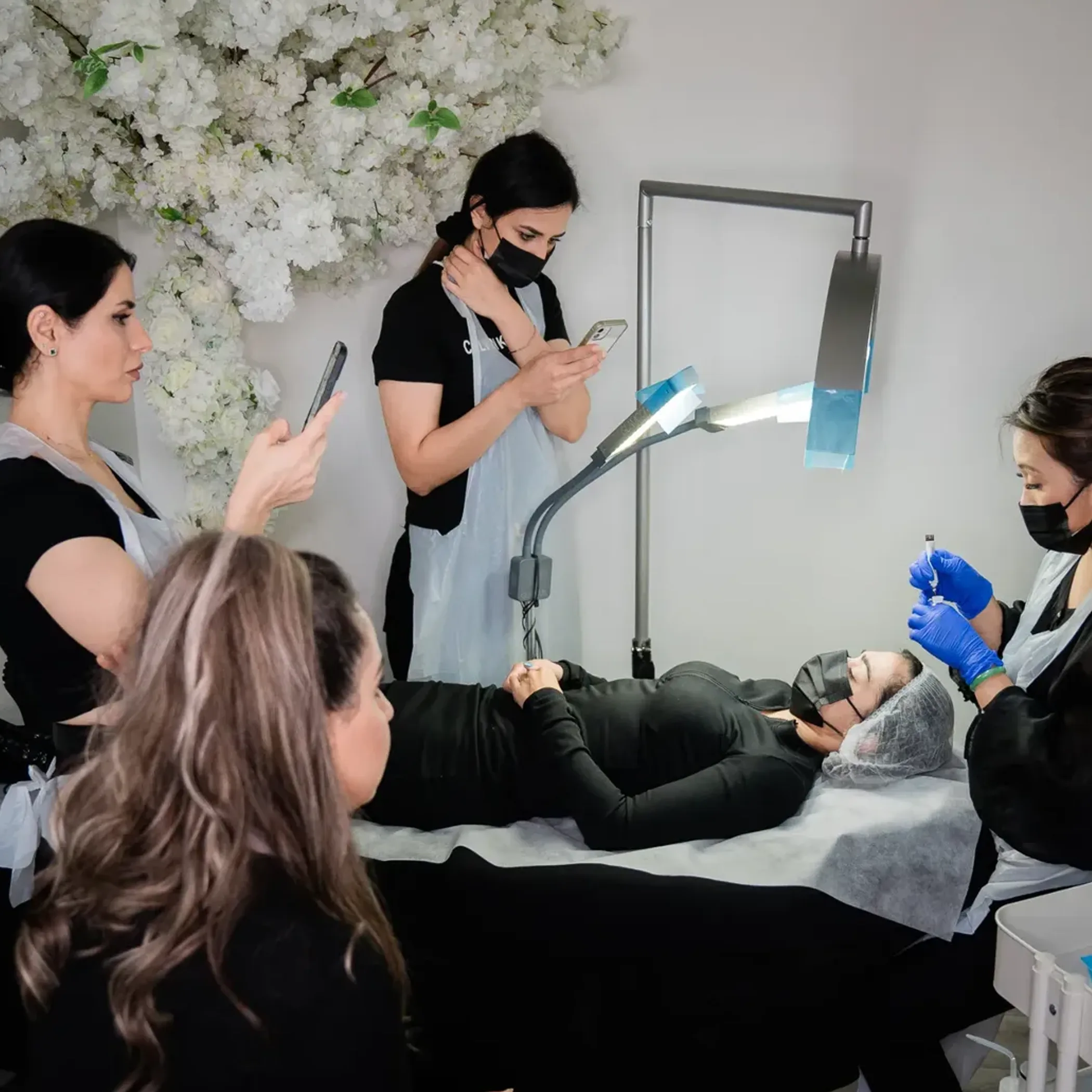
When you start taking money you have legal and safety responsibilities you cannot weasel out of. The better trainers are advising their students to have their insurance and business in order from the outset. As they should.
The Cover You Will Generally Require
There is a reason most practitioners make sure they have tattooist cover in the way of professional indemnity public liability insurance tattooist: cosmetic tattooing entails both treatment and business risk. Insurers will want to put you through your paces on your qualifications, what is on your treatment menu, the kind of premises you have and your annual revenue; they may also enquire as to whether you do microblading, lip blush or eyeliner work.
In the course of weighing up policy options one might come across Upcover. But a logo on a quote is not the issue, it is a question of the underwriter being satisfied with your training and infection-control credentials and of the policy encompassing the services you intend to offer.
Legal Requirements
An ABN and a sound business structure are likely necessary, along with consent forms and client records that are privacy-compliant. There will be patch testing or screening protocols to put in place where called for, and aftercare documentation must be unambiguous. Staff mean workplace safety obligations too. It is not exactly exciting stuff, yet preferable to having to justify an avoidable error to a regulator.
On Courses, Training Hours And Cost
If asked what a cosmetic tattooing course cost Australia runs to, the truth is the figure put out in advertising does not tell the whole story. Factor in the tools, pigments and consumables, sourcing models, council fees, insurance and fit-out and a “cheap” course can end up costing more than one would think.
Beginners are wont to misjudge the time involved. We are not talking about the days listed in a brochure but the hours it takes to be competent, to put in the practice and revisions, to be assessed and do any rework.
What One Finds In The Market
Training can take the form of an intensive face-to-face block, a mentored studio session, workplace practice or blended study. The likes of South Metropolitan TAFE, Artisan Training Academy, FineLine Cosmetic Tattoo, Golden Brows Academy and ACBNT (acbnt.edu.au) are some of the providers you will see. Before putting down a deposit however, check the RTO arrangement, unit list and the standing of the qualification.
A good course will lay out its assessment requirements in terms of practical tasks, theory, treatment categories and infection-control evidence instead of making empty promises of a ring light and “lifetime support”. That is where you can tell the solid training from the slick marketing.
Putting Together A Budget
Tuition is only part of what a learner should be budgeting for; there are starter kits, PPE, mapping tools, machine upkeep, replacement cartridges and the like. For a beginner the all-in cost of setting up can be in excess of the course invoice.
| Training Or Setup Item | What It Usually Includes | Cost Pattern To Expect |
| Short course | Technique introduction, limited practice, narrow scope | Lower upfront fee but may not cover full competency needs |
| Diploma pathway | Broader theory, assessment, practical evidence, multiple services | Higher fee but stronger compliance and employability value |
| Starter equipment | Machine, needles, pigments, PPE, mapping tools | Separate expense unless clearly included |
| Business launch | Insurance, council fees, fit-out, waste disposal, forms | Often underestimated by beginners |
As for model hours supervised practice cosmetic tattooing, no provider can give a universal number without reference to their own assessment structure. One wants to be sure the course spells out what is required by way of live model assessments and the evidence of competency to finish a unit.
Competency Is What Counts
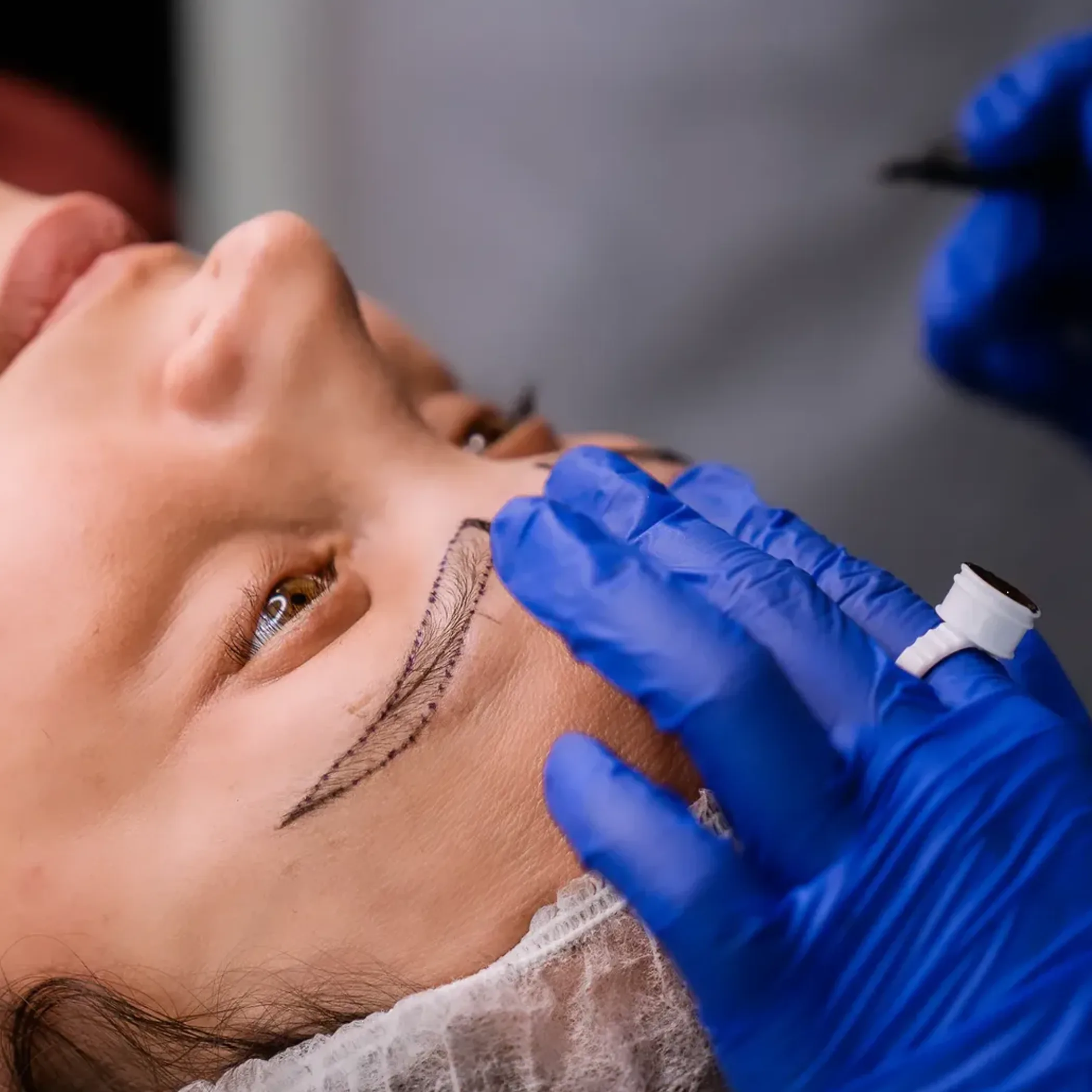
You can have a certificate but competence is of more value. Those who endure in this profession are ones who build slowly and keep careful documentation, regarding each model session as clinical practice and not something to put on Instagram for free. Quality of portfolio over quantity; fifty hasty treatments for a mate at a low price will not instruct you as much as ten done properly and well recorded.
Evidence to the point
Evidence to the point includes consultation and contraindication notes, the why behind a pigment selection, assessor feedback and healed results. It should demonstrate a grasp of colour theory, skin anatomy and pigmentology and not merely the application of a vogue brow shape to every face. Then there is the matter of microblading vs cosmetic tattooing. They are not the same thing. Some courses will be more machine orientated, others will have manual techniques. Know what you are being assessed on.
CPD
Continuing professional development (CPD) is more than an upsell. With ombré brows, lip blush and the like, it is the means of keeping up with new pigments and service techniques. In a trend-driven field it is steady education that prevents your standards from slipping.
Take Nothing Else From This Guide

Then make sure you remember this part when it comes to choosing a course. More than the machine you put in your hands, the training provider will be what determines your insurability, your confidence and compliance, and how much you can earn.
One does not have to be around long in hospitality or spa sales to realise a well put together brochure is no protection against a poor system; cosmetic tattoo training is of a piece with that. Should a provider be at a loss to give you a straight answer to an ordinary question, do not think it will be any different once you have parted with your cash.
What To Check Before You Enrol
- Make sure the RTO is accredited for cosmetic tattoo training, or is working through one, and put the qualification to the test on training.gov.au.
- You should ask for the unit list in full, HLTINF005 Maintain infection prevention for skin penetration treatments among them. Find out if models are provided, the nature of the supervised assessment and the procedure when you are not up to speed.
- Get a complete fee sheet from the provider covering everything from kits and consumables to travel, accommodation and reassessment. And enquire as to the scope of treatment: is there microblading or machine work, and do they cover brows, eyeliner, lip blush and corrections?
Red Flags
There are some you would do well to heed. A provider touting “certification” with no registered training organisation behind it, or who says you need not bother with council checks, or who guarantees you a six-figure income overnight, is not to be trusted. Equally, anyone who makes light of colour correction, a review of healed results or infection control is ignoring the job itself. These are not small matters.
For a measure of professionalism and what to expect way of ongoing education the Australian Beauty Association or SAHBA can be good reference points, but they are no substitute for checking your formal qualifications.
If You Only Have One Day
Quick research before you book should be focused on three things: local council approval, the inclusion of an infection-control unit and the standing of the qualification. That will rule out most of the unsuitable options right away.
Do not be taken in by vague licensing claims, a lack of live model assessment and a course of online videos; that is a recipe for leaving gaps in your knowledge as a new entrant, though an operator of some experience might use it to put in a bit of extra practice.
- Go to Training.gov.au and look up the units.
- Make a call to your council to see what their skin penetration rules are in your suburb.
- Have the provider put down in writing their practical assessment and fee details.
- And sort out the insurer eligibility questions prior to enrolment.
A Word From Rhys Parker
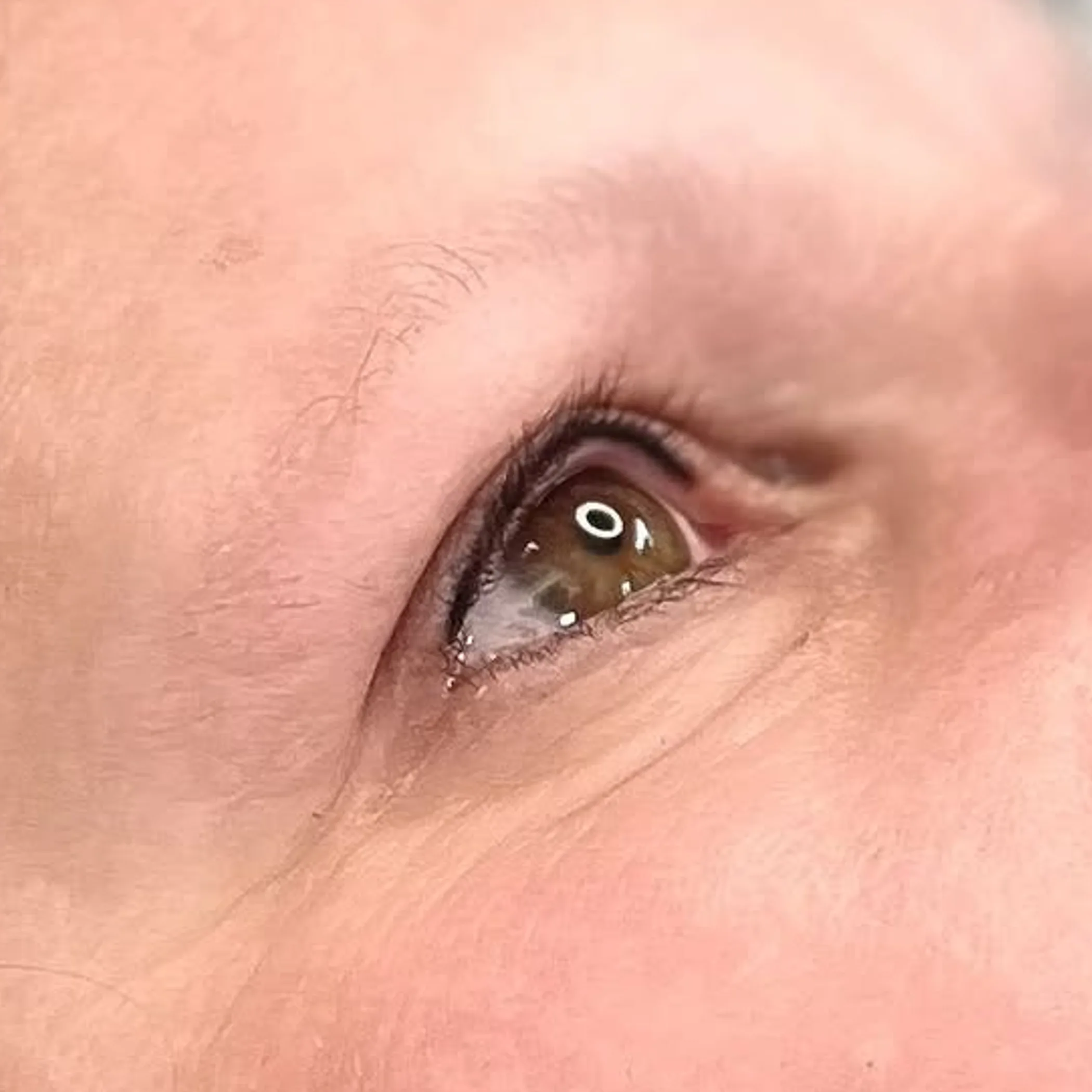
To be blunt about it, in 2026 you cannot make it as a cosmetic tattoo practitioner in Australia on being adept with a brow alone. The client is nervous, the pigment is uncooperative and the result has to heal properly, not just for the camera on the first day; you want to be able to handle that safely. For that you require insurance, local compliance and the kind of training and supervision that is proper.
The SHB50321 Diploma of Cosmetic Tattooing via a verified RTO is the better bet for a beginner. With its HLTINF005 infection control, premises planning for the council and a sensible budget for setup, it is rarely the cheapest way to go but then again you are less apt to have trouble down the track.
FAQ
When making an entry into the field these are the sorts of questions that come up. Then again the internet is awash with half-answers so one can understand that.
How To Become A Cosmetic Tattoo Artist In Australia?
In practical terms you get your nationally recognised training (the SHB50321 Diploma of Cosmetic Tattooing from a registered training organisation is best), demonstrate competency in infection control like HLTINF005 and put in the supervised hours on models. After that you have to satisfy your state health and local council before you start seeing paying clients.
What Are The Requirements To Get A Tattoo Artist Licence In Australia?
Do not look for a national licence that covers all of Australia for cosmetic tattooing. What you will find are requirements for business registration, insurance, premises compliance, local skin penetration approvals and the like. It is a matter of your local council and state.
What Qualifications Do I Need For Tattooing?
The SHB50321 Diploma of Cosmetic Tattooing is the most robust nationally recognised option for cosmetic work, with the HLTINF005 to back it up. There are shorter specialist courses to be had but for a beginner, or to put an insurer or the council at ease, they may fall short.
Are Tattoo Artists In Demand In Australia?
Yes, but it is a competitive market and the demand is not even. You will find more of an opening if you are well trained and can put forward safe practice and good consultation skills along with your healed results, rather than a hasty graduate with a thin portfolio.
Do I Need A Short Course Or A Diploma For Brows And Lip Blush?
For the uninitiated, one would do well to take the diploma as it is the more credible and secure way to go; the theory, practicals and compliance underpinnings are all in evidence. A short course has its place for a practitioner of some standing who wants to put another service on offer, yet where skin anatomy or pigmentology is concerned, or in terms of sterile technique and being legally prepared, it will not have the depth that most novices require, colour theory included.