Hot Water Systems and the Australian Winter
One does not need to wait for the first cold morning of the season to put a hot water system through its paces. An inspection of the insulation, valves, boosters and any outdoor gear is all it takes to stave off the inconvenience of a breakdown, high energy costs or a shower that is anything but warm.
I am Rhys Parker. I have had my fill of draughty houses and temperamental boilers, as well as some DIY repairs I would not put my name to, so I can tell you hot water has a way of letting you down when you are least expecting it. In Australia the system is made to work harder by cold incoming water and solar heating is at the mercy of short sunny spells. Fortunately there is no reason not to do what needs to be done in an affordable, practical way before the weather gets rough as guts.
The Case for Early Preparation
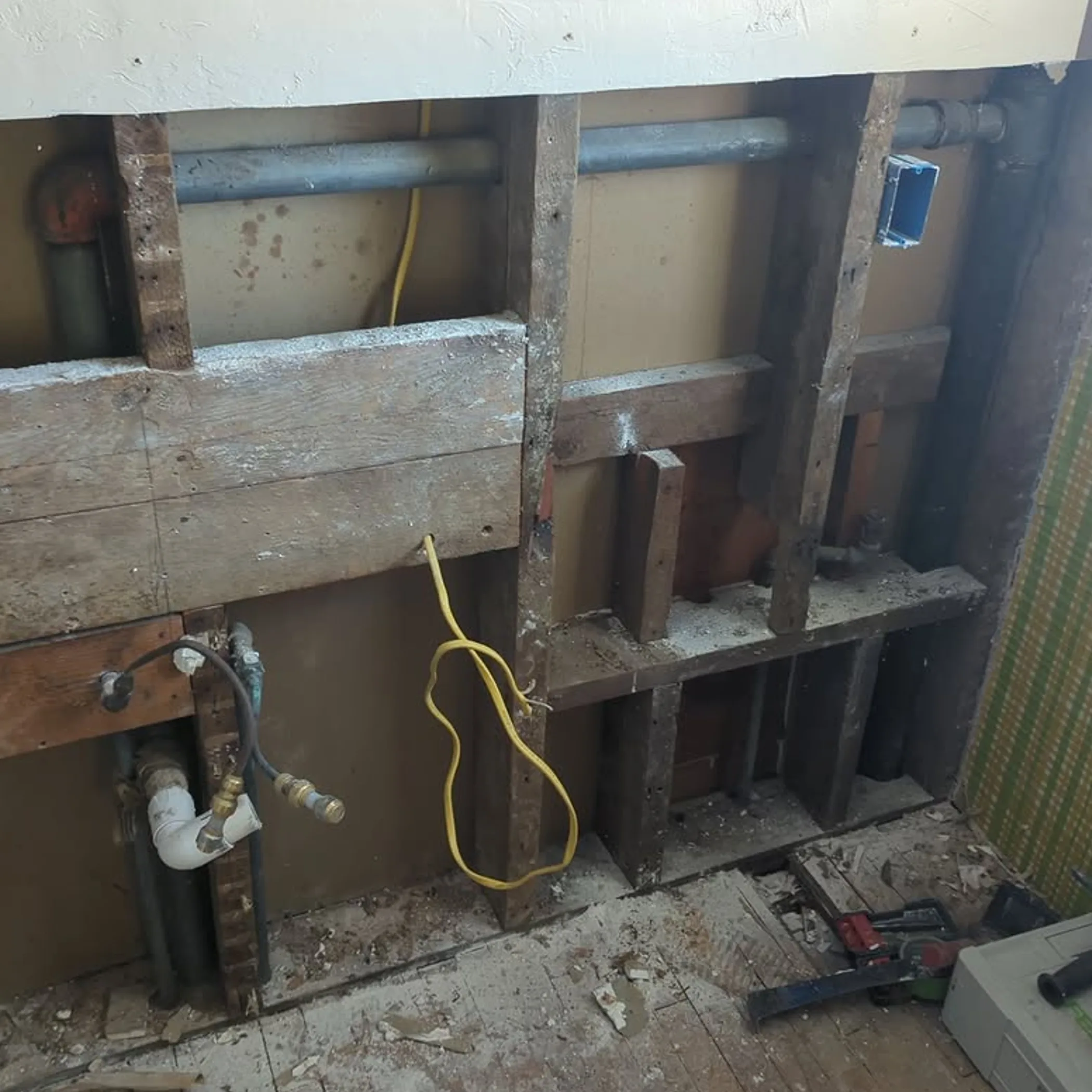
All manner of hot water system will be under more strain in winter. One is apt to run a longer shower or put on a load of washing in warm water and be quick to spot a temperature issue in a bathroom that has turned into a fridge. Learn more about winter hot water system problems.
Water heating is a big user of household energy in this country, the Australian Government says, in the region of 21 per cent of consumption if not more depending on the home and climate. Maintenance for the season will see less energy go to waste and greater reliability. For more on the subject the Government’s household energy-saving guidance is worth a look.
Then there is the matter of the water running out quicker; with the system having to raise the temperature from lower levels a tank will be slower to recover and an instantaneous unit has to put in more effort.
Who Is This For?
Any homeowner, landlord or caravan owner in Australia with responsibility for a residential hot water system will find this guide of use, whether it is gas, electric, solar or heat pump.
That said, this is no replacement for a licensed tradesman. Leave the gas connections, electricals, refrigerant circuits and major leaks to a plumber, gas fitter or electrician who holds the right licence for the state or territory.
Outdoor Pipe Insulation
There are few easier ways to improve things for winter than to attend to the pipe insulation, especially where it is in an exposed garage or under the house. It curbs the loss of heat from tank to tap meaning one does not have to stand there waiting and wasting hot water.
See if the insulation is sun damaged, cracked or missing. The pipes in the vicinity of masonry walls, fences or open ground should be given a good once over, as should the initial length of pipe from the heat pump or storage tank.
Things You Overlook
Homeowners will check the tank and let the pipework be. I came across a case where the owner was convinced his tank was on the way out because of how long the shower took to get up to temperature. The tank was fine, he just had a bare pipe running around the side of the house and the system was bleeding heat.
Stick with insulation fit for the purpose and the outdoors. Make sure it is dry and secure and away from moving parts. And for heaven’s sake do not put it over a valve, burner, inspection panel or the pressure relief valve discharge.
A Look at Valves and Pressure
You do not want to be finding a blocked discharge line or a tempering valve giving up the ghost in the middle of winter. A visual check of the tank and fittings will show you if there is dampness, bubbling paint or mineral build up before it turns into water damage. Examine the pressure relief valve and make sure the discharge line is unobstructed and terminates in a safe place, but do not handle them.
When to Get Help
If the discharge line is in a constant drip, call in a professional to test the valve and expansion control rather than capping it to hush the noise. Never take apart a pressure relief valve.
In the event of a serious leak, shut the water supply and stay back from any steam. Should you smell gas, put no switches or flames to it, vacate the premises and ring the emergency service or a licensed gas fitter. There is no point in using a bit of winter maintenance as an excuse to don your thongs and play at being a plumber.
Service for Every System Type
While the checks called for will vary from one system to another, a change in performance is cause for professional intervention. In Australia, having your hot water system serviced on an annual basis or as the manufacturer would have it can put you ahead of winter’s demands by uncovering poor recovery, a bad thermostat, unsafe combustion or any component that has seen better days.
| System | Winter Check | When to call in a pro |
|---|---|---|
| Gas hot water system | Look for any corrosion you can see, a weak output, odd noises and flue damage. | If you detect a gas odour, soot, a yellow flame or if there are repeated shutdowns and ventilation is not up to scratch. |
| Electric hot water system | Be on the lookout for leaks, electrical damage and atypical heating times. | Should the tank leak, the circuit trip or the thermostat be uncharacteristic in its behaviour. |
| Solar hot water system | An inspection of the controls, pipe insulation, booster setting and collectors is in order. | When the system is cold despite good weather or the booster is overworking. |
| Heat pump hot water system | Make sure the outdoor unit is clear and examine the airflow for ice or anything out of the ordinary in the way of vibration. | The unit will not hold its temperature, puts out a fault code or simply stops. |
Engage A Qualified Technician
You need a licensed gas fitter for any work involving gas and an electrician with the right credentials for repairs. A licensed plumber should be the one to assess plumbing, pressure devices and tempering valves. As the rules are not the same across all states and territories, even in NSW tenancy matters, one should verify what applies to the property in question.
A good technician will provide straight answers after a service: what was put to the test, what is expendable and what can be put off, as well as an idea of running costs. Should he put forward the case for an immediate system replacement, find out which part has given way and if a repair or some better insulation would do just as well safely.
Put Your Solar And Heat Pump Boosters in Order
There is no reason a solar hot water system cannot see you through the winter, though with less daylight and colder conditions you may put more of a strain on an electric or gas booster. That is not a sign of failure but the means by which the system provides hot water when the sun does not.
See that the booster control is working and the timers are in step with how the household runs. Do not be switching the booster on and off without knowing the controls; some systems take their time to heat the tank water and will react to the controller and the weather in their own way.
The Winter Facts on Solar
One might think a solar system ought to give free hot water 365 days a year. The truth is that in winter you are at the mercy of cloud cover, shading, the size of the tank and the booster, to name a few things.
Have a professional come and look at it if the water is still cold after a while of being in the sun. It could be a matter of the sensor, the pump or the insulation. Leave the roof to those who are trained and have the legal standing to go up there and check the collectors.
With a heat pump the story is much the same: winter performance is dictated by the outside temperature and the refrigeration and heating controls. You may find it running longer in the cold but do not let ice build-up, loud vibration or fault codes go unheeded.
Clear the Outdoor Units
To get efficient heat transfer the heat pump outdoor unit must have unimpeded airflow. Performance will suffer and running time lengthen if dust, leaves, garden mulch or boxes are in the way.
Heed the clearance instructions of the manufacturer, do not make it up. In the colder parts of the country frost protection may be of some importance but unless the manufacturer says otherwise do not put a blanket or other contrivance over the unit.
Do An Airflow Check
Provided the system is operating as it should, put your ear to it for any change in sound and check for obstructions. Hands are not to be put inside the unit or panels removed and certainly no water is to be sprayed on the electrics. If the fan is stopping or the air seems to be held up, put in for a qualified service. This holds true in the Australian Capital Territory, Victoria, Tasmania, elevated spots and inland New South Wales where the temperature can drop overnight. In the Top End or the Pilbara the climate presents other risks and a generic calendar is of little use.
Water Temperatures Must Be Safe
Any setting has to be a compromise between hygiene, scalding and energy. On most storage systems the water is kept at around 60°C to deal with Legionella, a tempering valve then bringing it down to 50°C at the tap. But the system and the standards in place will dictate the exact requirements.
Some will find 45°C at the tap to be a more agreeable temperature, but one should not be in the habit of turning down the storage thermostat to that figure on one’s own; professional guidance is called for. To do otherwise can have an impact on system operation and hygiene. There is a distinct risk of scalding for the elderly, children and those with diminished sensation.
Test Rather Than Guess
When water is lukewarm, runs dangerously hot or is prone to sharp fluctuations, put in a call to a licensed plumber to have the tempering valve and thermostat looked at. Casual adjustment of safety devices, electrical thermostats or gas controls is not advisable.
Then there is the matter of Legionella. Bacteria are able to multiply in contaminated systems under the right conditions. Good circulation, a system in order and the correct stored water temperature are all part of managing that risk. Should you have any health concerns or an unorthodox installation, it is better to get some expert opinion than to put stock in what one reads on the internet.
Cutting Hot Water Energy Use in Winter
The household draws on more hot water in winter and the system has to work for it, so energy bills have a way of mounting. The savings to be had are from curbing demand and stopping heat loss, not by making unsafe alterations to the thermostat.
- Put in a shower timer and a water saving head on the shower, especially if there is a queue of people using it.
- Make sure there are no hot taps dripping or toilets running to waste the energy put into heating the water.
- A full load on the washing machine is best when practical and use the cold cycle for clothes that will take it.
- Insulate any exposed hot water pipes and see that the tank is sheltered from draughts.
- One can also look at booster schedules and refrain from putting heat into the tank when it is not going to be used, as long as safety requirements are met.
It is hardly glamorous to be told that a short shower will do more for one’s energy consumption than fiddling with a controller, but it is sound advice. In the end the most useful tips for a winter household are the ones that are easy to put across to the teenagers because they are simple and unexciting.
Fix Common Winter Problems
You will find the majority of hot water system trouble in winter follows a few patterns. An idea of what is behind it tells you if you need to make a maintenance appointment or just alter a setting.
| Problem | Possible Cause | Practical Response |
|---|---|---|
| Water is depleted quickly | A fault with the booster, poor insulation, higher demand or cold water coming in. | If recovery is still poor after you have reduced demand and checked the insulation, have it serviced. |
| Excessively hot water | Thermostat or tempering valve issue. | Do not use it if there is a scalding danger, contact a licensed plumber. |
| No hot water | System or booster failure, the gas is out or a tripped circuit. | Leave repairs to a qualified technician and confine yourself to user controls that are safe. |
| Heat pump will not stop | Could be a fault or restricted airflow, cold weather or the like. | Remove any obstructions outside and book in a service if it continues. |
| Water by the tank | Storage cylinder, a valve or fitting has given way. | Shut off the supply in a serious case and get a plumber out there. |
What is termed a winter hot water system problem can be anything from a nuisance to a safety hazard. People are apt to think the heater is to blame for everything. Yet it may be a shower fitting, a booster control that has ceased to function or pipe insulation that is blocked.
One-Day Checklist
With a cold spell on the way and only a day to spare, concentrate on what is obvious and matters of safety. There is no point in getting a torch and crawling under the house in a fit of heroic optimism to take the system apart. Inspect the tank and pipework for any sign of leaks, corrosion, dampness or an odd discharge.
Make sure the insulation on exposed hot water pipes is in order and put in new sections where there is damage. The outdoor unit of a heat pump should be free of leaves and other debris. Verify that the booster controller is powered up and not displaying a fault. And when you turn on the taps, see that the hot water comes through as it should with no abrupt change in temperature.
Any matter of gas, electricity, pressure devices or temperatures that are not to be trusted is best left to a licensed plumber, electrician or gas fitter.
- Inspect the tank and pipework for any sign of leaks, corrosion, dampness or an odd discharge.
- Make sure the insulation on exposed hot water pipes is in order and put in new sections where there is damage.
- Keep the outdoor unit of a heat pump free of leaves and other debris.
- Verify that the booster controller is powered up and not displaying a fault.
- Turn on the taps and see that the hot water comes through as it should with no abrupt change in temperature.
- Leave any matter of gas, electricity, pressure devices or unsafe temperatures to a licensed plumber, electrician or gas fitter.
An accessible system can be given a proper visual once over in 30 minutes or so. You will want to put in some extra time if the tank is under the house, behind a locked gate or hemmed in by things you have put away. Make way before you start; the safest route is the plain one. Do not go up on a wet roof to get at solar collectors and be sure children and pets are out of the way.
Frequently Asked Questions
Is 45 Degrees All Right For Hot Water?
In some cases 45°C is fine for what comes out of the tap but that does not make it the right storage temperature for your system. Hygiene control in a storage system generally calls for more than that, a tempering valve will take care of the temperature at the taps. Let a licensed plumber have a look at the setup instead of adjusting the thermostat.
Should I drain my RV water heater after use?
Not every time. But you would do well to follow the manufacturer and maintain and drain it, particularly prior to transport, freezing weather or putting it in storage. Before you open a drain, shut the heater down and let the water cool and the pressure off. A plug or anode rod is not to be removed from a hot, pressurised system.
What is the winter setting for a heater?
As for room heating it is a question of the appliance and the conditions in the household and the room. With hot water though, do not think to just put the thermostat up because it is winter. Stick with what the manufacturer has set and if the water is too hot or cold, have the safety controls looked at.
How should a water heater be set in Australia?
One size does not fit all here. While a tempering valve might give you 50°C from a storage tank running at 60°C, system types and installation requirements are different. Gas instantaneous, electric, heat pump and solar systems will have their own controls. Have a professional tell you what is correct.
Why is the hot water gone quicker in the winter?
You are likely using more of it and the incoming water is colder so it takes more to heat it. Then you have poor pipe insulation, a blocked heat pump, a tank that is not big enough or a bad thermostat or booster to compound it. Check the demand and insulation first and put in for service if need be.
Winter-Ready And Safe
The idea in getting a hot water system ready for an Australian winter is to head off small losses before they leave you with a cold shower. See to the pipes and any leaks, clear the outdoor gear, make sure the booster is working and call in someone qualified for the safety devices.
I have a rule: if the system is leaking, smells or sounds amiss or is putting out scalding water, it is not something for a weekend. An inspection now is the sensible thing to do, it will see the hot water keep running and spare the household some unpleasantness on the energy bill in winter.